HomeBrand › OEM Diving Equipment

OEM Diving Equipment

OEM manufacturers supply cost-effective scuba diving equipment, snorkelling gear, and diving accessories under various private labels. These products provide accessible options for divers in Malaysia seeking functional and affordable diving gear.

OEM Diving Equipment
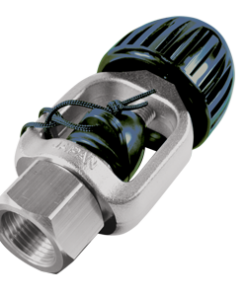
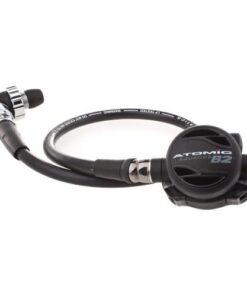
Miflex XT-Tech Low Pressure Hose – 0.56 m

Filter By

Price Range


RM 0 RM 4,588

Filter By

Categories


Showing 101–120 of 325 products
Sort:

RM20.00
RM470.00
RM986.00
RM15.00
RM25.00
RM49.00
RM35.00
RM26.00
RM178.00
RM6.00
RM10.00

Accessories

Akona Dry Bag 60L

RM80.00

Diving Equipment

XS Scuba Adaptor AC 913

RM50.00

Swimming & Snorkelling

Superflex Clear Smoke Goggles

RM65.00

BCD Accessories

Scubatech Hose holder

RM18.00

BUYING GUIDE

Not sure which to choose?

Our dive experts have put together a guide to help you find the right gear for your diving style, experience level, and budget.

Ask Buying guide

You Might Also Like

Recommended Products

Hand-picked products based on this brand

RM92.00
RM50.00
Price range: RM49.00 through RM464.00

Surface Marker Buoys

Mares Hydro Torpedo Buoy

RM72.00

FAQ

Frequently Asked Questions

Everything you need to know before making a purchase

What does OEM Diving Equipment mean in the context of a dive centre supply?
OEM dive equipment refers to unbranded or private-label dive gear manufactured to functional specifications rather than for brand positioning. In the dive centre context, OEM products are the practical choice for rental fleet equipment - BCDs, masks, fins, wetsuits, and accessories purchased at commercial quantities for student and rental use, where the priority is functional performance and replacement economics rather than brand identity.
What types of equipment are available through OEM dive supply?
The OEM dive equipment range covers the full rental fleet essentials: jacket BCDs in multiple sizes, standard regulator sets (first stage, second stage, octopus, and SPG), open-heel fins across size ranges, masks in multiple frame widths, 3mm and 5mm wetsuits in graduated sizes, and accessory items including weight belts, clips, and slates. The range is designed to equip a complete dive centre rental operation from a single supply relationship.
What should a dive centre prioritise when specifying OEM rental gear?
Durability under high-rotation use is the primary specification. Rental BCDs are inflated, deflated, and adjusted hundreds of times per year by users of varying technique. Regulator second stages absorb rough handling. Mask buckles are the most common single failure point. OEM specifications for rental use prioritise replaceable components, robust buckle and clip systems, and bladder welding quality rather than weight reduction or aesthetic refinement that recreational divers prioritise in personal equipment.
How does OEM equipment pricing work for bulk dive centre orders?
OEM dive equipment is priced at wholesale rates for volume orders rather than retail margins. The bulk pricing structure makes it economically practical for dive centres to maintain a rental fleet that is replaced on a rotation schedule - retiring equipment when wear becomes visible rather than using gear until it fails. Maintaining equipment at a consistent functional standard improves student experience and reduces the mid-dive failures that affect course delivery.
Can OEM dive equipment be branded for a dive centre's own label?
Private labelling - applying a dive centre's own name or logo to OEM equipment - is available for sufficient order quantities. Dive centres that run a retail operation alongside their training programmes sometimes offer branded gear under their centre name as an additional revenue stream, using OEM supply with custom labelling rather than purchasing and reselling a named brand at retail margins.
What maintenance schedule is appropriate for OEM rental regulators?
Rental regulators at active dive centres typically require service every 6 months rather than the annual schedule appropriate for personal equipment - the dive count accumulated by a rental regulator in 6 months at an active centre often exceeds 100 hours. Maintaining a service log per regulator, tracking dive counts against service intervals, and retiring second stages showing external wear before internal component failure produces a safer rental fleet and lower emergency repair costs.