HomeShopDiving EquipmentHoses › HP Hoses

HP Hoses

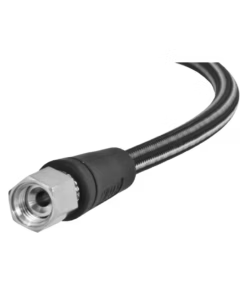
High-pressure hoses carry tank pressure from the first stage directly to your SPG or HP port dive computer. Braided stainless options offer additional protection against kinking and abrasion when the hose regularly contacts reef or wreck structure during a dive.
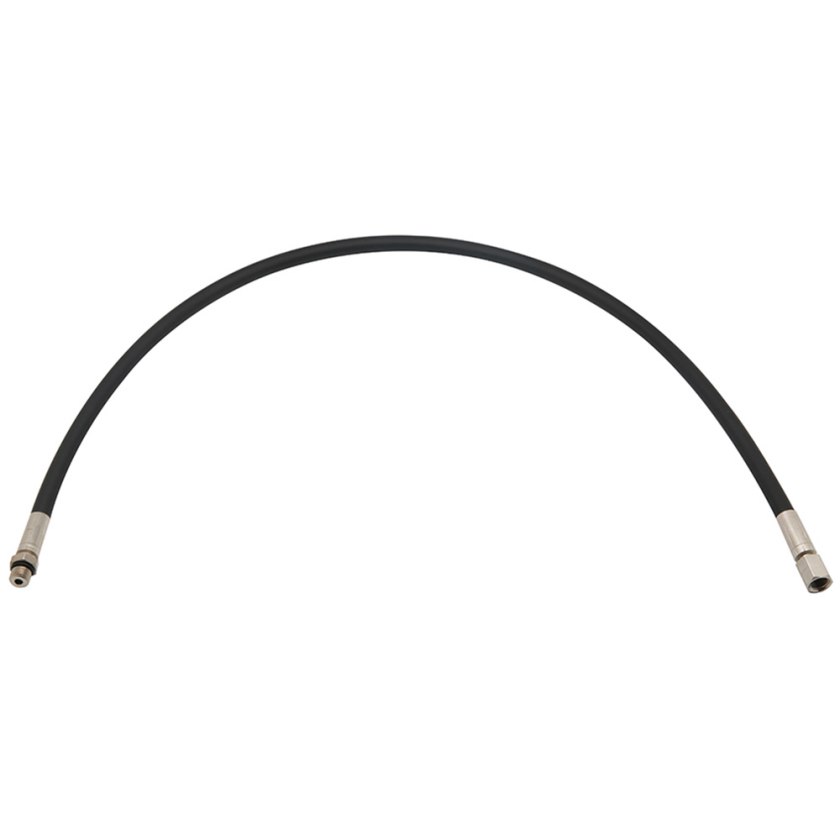

Problue High Pressure Hose
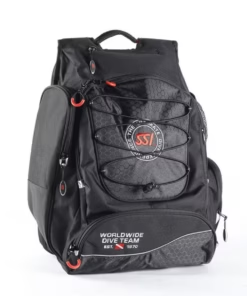
SSI Backpack Cruise - SSI International Dive Team
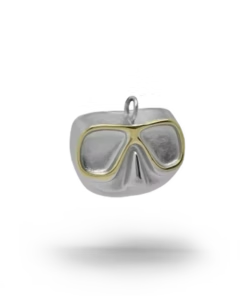
Ossidabile 81 Diving Mask Pendant

✓  Free Shipping Over RM150|✓  Manufacturing Defect Exchange Guaranteed|✓  Expert Dive Advice Before & After Purchase|✓  100% Authentic Equipment Every Item

Filter By

Price Range


RM 39 RM 1,599

Filter By

Sub Categories


Filter By

Brands


Showing 1–15 of 15 products
Sort:

RM269.00

Diving Equipment

Sherwood High Pressure Hose

RM59.09

Diving Equipment

OEM Braided HP Hose 30″

RM207.00
RM289.00

Diving Equipment

Problue High Pressure Hose

Price range: RM229.00 through RM280.00
RM202.00
RM199.00
RM199.00

Expert Advice

High-Pressure Connections You Can Trust

The HP hose carries cylinder pressure — typically 200–300 bar — from your first stage to your SPG or computer gauge port. It is a safety-critical component that should be inspected annually and replaced as needed.

Ask About High Pressure Hoses

Function

What the HP Hose Actually Does in Your Regulator System

The HP hose transmits raw cylinder pressure directly to your SPG without pressure reduction. It is rated to far higher pressures than an LP hose and must never be substituted with a standard hose.

Length

Choosing HP Hose Length for Your Console Configuration

Standard HP hoses run 60–75cm from first stage to console. Divers running a wrist computer without a console need only a short 15–20cm HP port plug or very short hose if using analog SPG backup.

Threads

HP Hose Threads: Matching Your First Stage Port Correctly

HP ports use either 7/16 UNF or 3/8 UNF thread depending on brand and model. Order the wrong thread and the fitting won't seal regardless of how tight it's torqued. Check your regulator service manual.

Failure Signs

Signs Your HP Hose Needs Immediate Replacement

A cracked or bubbling HP hose carries full cylinder pressure — a dangerous failure point. Any cracking at the swivel fitting, ballooning of the hose body, or audible hissing requires immediate replacement.

You Might Also Like

Recommended Products

Hand-picked products based on all categories

RM682.00
RM220.00
RM20.00
RM270.00

FAQ

Frequently Asked Questions

Everything you need to know before making a purchase

What instruments connect to the high-pressure port and hose on a regulator?
The high-pressure port connects to instruments that require direct access to tank pressure u2014 the submersible pressure gauge in a console setup, or the wireless air-integration transmitter that broadcasts tank pressure to a wrist computer. Wireless transmitters thread directly into the HP port without a hose; console gauges connect via an HP hose. On a standard Malaysian recreational setup with a console, one HP hose runs from the first stage to the gauge; on a wireless air-integrated system, the HP port receives the transmitter module directly and requires no hose at all.
How do I check a high-pressure hose for safe use before a Malaysian dive?
Open the tank valve slowly and watch the console pressure gauge for a smooth, stable rise to tank pressure without deviation or drop u2014 an HP hose with an internal failure shows as an inconsistent or slowly falling reading after the valve is opened. Flex the hose near both end fittings and look for surface cracking or material separation, which is the most common failure mode in aged HP hoses. An HP hose failure at depth releases a stream of high-pressure gas rather than the sustained free-flow of an LP hose u2014 the consequences are abrupt and require immediately terminating the dive.
What is the correct approach to tightening a high-pressure hose connection?
HP hose connections are sealed by an O-ring at the port entrance, not by metal-to-metal compression u2014 the connection should be hand-tightened plus approximately a quarter turn with a correctly sized spanner, not forcefully overtightened. Over-tightening deforms the port O-ring and the hose swage fitting, causing the seal to fail faster than a correctly torqued connection. If the connection leaks at correctly specified torque, the O-ring requires replacement u2014 continuing to tighten beyond specification will not stop the leak and will damage the port permanently.
How does HP hose length affect pressure gauge usability during Malaysian dives?
Most HP hoses for console setups run 60 to 75 centimetres, positioning the console at approximately waist level when clipped to a chest D-ring u2014 readable without removing it from the clip. A shorter HP hose constrains the console too close to the first stage, making it difficult to read without an awkward arm extension, while a longer hose allows the console to hang lower and creates increased snag risk during Malaysian reef dives with close reef proximity. The standard lengths included with most console packages are calibrated for comfortable use in typical recreational diving positions.
What happens when a high-pressure hose O-ring fails at depth during a Malaysian dive?
An HP hose O-ring failure produces a continuous stream of high-pressure bubbles at the failed seal point, visible and audible to both the diver and their buddy. The appropriate response is to signal the buddy, reduce depth immediately, and ascend safely u2014 the first stage continues to supply gas to the second stage through the LP ports even with an HP port leaking, so the diver can breathe normally during the ascent. The gauge console connected to the failed HP hose will no longer show a reliable tank pressure, making conservative gas management based on estimated consumption essential for the ascent.
How should I store an HP hose between Malaysian dive trips to prevent internal corrosion?
Ensure the HP hose drains of any residual water by standing it vertically with fittings pointed downward before coiling for storage. A hose stored with trapped water in the inner tube develops internal corrosion at the brass fittings, which can contaminate the gas supply on the next use and weaken the fitting-to-tube bond. Store the hose loosely coiled without sharp bends u2014 a hose left in a tight coil for months develops a permanent set that creates stress cracks at the inner curvature and shortens the hose's service life.
What instruments connect to the high-pressure port and hose on a regulator?
The high-pressure port connects to instruments that require direct access to tank pressure u2014 the submersible pressure gauge in a console setup, or the wireless air-integration transmitter that broadcasts tank pressure to a wrist computer. Wireless transmitters thread directly into the HP port without a hose; console gauges connect via an HP hose. On a standard Malaysian recreational setup with a console, one HP hose runs from the first stage to the gauge; on a wireless air-integrated system, the HP port receives the transmitter module directly and requires no hose at all.
How do I check a high-pressure hose for safe use before a Malaysian dive?
Open the tank valve slowly and watch the console pressure gauge for a smooth, stable rise to tank pressure without deviation or drop u2014 an HP hose with an internal failure shows as an inconsistent or slowly falling reading after the valve is opened. Flex the hose near both end fittings and look for surface cracking or material separation, which is the most common failure mode in aged HP hoses. An HP hose failure at depth releases a stream of high-pressure gas rather than the sustained free-flow of an LP hose u2014 the consequences are abrupt and require immediately terminating the dive.
What is the correct approach to tightening a high-pressure hose connection?
HP hose connections are sealed by an O-ring at the port entrance, not by metal-to-metal compression u2014 the connection should be hand-tightened plus approximately a quarter turn with a correctly sized spanner, not forcefully overtightened. Over-tightening deforms the port O-ring and the hose swage fitting, causing the seal to fail faster than a correctly torqued connection. If the connection leaks at correctly specified torque, the O-ring requires replacement u2014 continuing to tighten beyond specification will not stop the leak and will damage the port permanently.
How does HP hose length affect pressure gauge usability during Malaysian dives?
Most HP hoses for console setups run 60 to 75 centimetres, positioning the console at approximately waist level when clipped to a chest D-ring u2014 readable without removing it from the clip. A shorter HP hose constrains the console too close to the first stage, making it difficult to read without an awkward arm extension, while a longer hose allows the console to hang lower and creates increased snag risk during Malaysian reef dives with close reef proximity. The standard lengths included with most console packages are calibrated for comfortable use in typical recreational diving positions.
What happens when a high-pressure hose O-ring fails at depth during a Malaysian dive?
An HP hose O-ring failure produces a continuous stream of high-pressure bubbles at the failed seal point, visible and audible to both the diver and their buddy. The appropriate response is to signal the buddy, reduce depth immediately, and ascend safely u2014 the first stage continues to supply gas to the second stage through the LP ports even with an HP port leaking, so the diver can breathe normally during the ascent. The gauge console connected to the failed HP hose will no longer show a reliable tank pressure, making conservative gas management based on estimated consumption essential for the ascent.
How should I store an HP hose between Malaysian dive trips to prevent internal corrosion?
Ensure the HP hose drains of any residual water by standing it vertically with fittings pointed downward before coiling for storage. A hose stored with trapped water in the inner tube develops internal corrosion at the brass fittings, which can contaminate the gas supply on the next use and weaken the fitting-to-tube bond. Store the hose loosely coiled without sharp bends u2014 a hose left in a tight coil for months develops a permanent set that creates stress cracks at the inner curvature and shortens the hose's service life.