HomeShopDiving EquipmentWetsuits & Exposure Suits › Rashguards

Rashguards

A rashguard worn under a wetsuit prevents chafing across the shoulders and torso during extended liveaboard dives. Worn alone on the surface, it blocks UV and reduces the sting of jellyfish tentacles — a practical reason to put one on even on a short snorkelling tour.
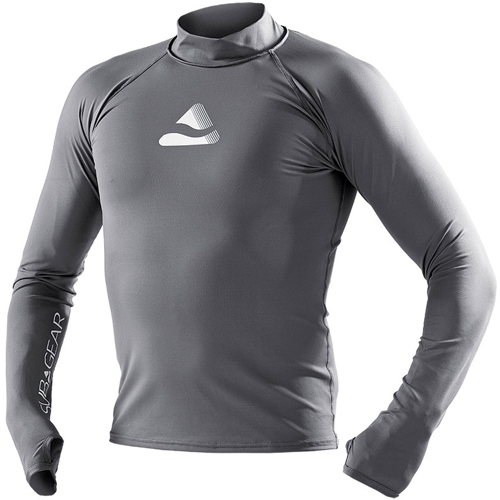
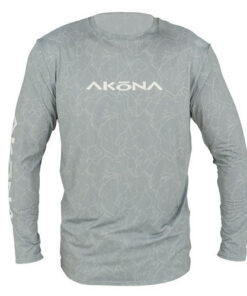
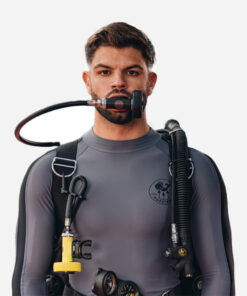
Subgear long sleeve rash guard in gray with UPF 50+ sun protection
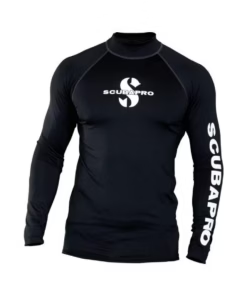
Scubapro Everflex Top 1mm Long Sleeves Rashguard - Men
Subgear long sleeve rash guard in gray with UPF 50+ sun protection

✓  Free Shipping Over RM150|✓  Manufacturing Defect Exchange Guaranteed|✓  Expert Dive Advice Before & After Purchase|✓  100% Authentic Equipment Every Item

Filter By

Price Range


RM 23 RM 739

Filter By

Sub Categories


Filter By

Brands


Showing 1–20 of 109 products
Sort:

RM50.00
RM35.00

Diving Equipment

Bare Chill Guard L

RM65.00
RM50.00
RM155.00
RM739.00
RM35.00

Diving Equipment

Mares DC Pants Unisex

RM23.00
RM175.00

1236

Expert Advice

Sun and Sting Protection from Surface to 5 Metres

A rashguard blocks UV on the surface while providing protection from hydroids and mild stingers in the water column. Essential for snorkelling, freediving and any tropical reef dive without a wetsuit.

Ask About Dive Rashguards

UPF

UPF Ratings in Rashguards: What the Numbers Actually Mean

UPF50+ fabrics block more than 98% of UVA and UVB radiation. A standard T-shirt provides UPF15 at best — less when wet. A rashguard rated UPF50+ protects skin through a full day of open boat diving in Malaysian equatorial sun.

Thickness

Lycra vs 0.5mm Neoprene Rashguards: When to Upgrade

Lycra rashguards suit surface snorkelling and tropical dives above 15m. A 0.5–1mm neoprene rashguard adds light thermal protection for deeper reef dives without the bulk of a full wetsuit.

Stingers

Rashguard Protection Against Jellyfish and Hydroids in Malaysian Waters

Malaysian waters have periodic jellyfish blooms and persistent hydroid colonies on the reef. A full-length rashguard covering arms and torso prevents the majority of minor stings that end dive sessions early.

Sleeve Length

Long Sleeve vs Short Sleeve Rashguards for Malaysian Diving

Long sleeve rashguards protect forearms from sun exposure during surface intervals and from contact with soft corals on the reef. Short sleeve rashguards suit divers who wear 3mm wetsuit arms but want a torso base layer.

You Might Also Like

Recommended Products

Hand-picked products based on all categories

Diving Equipment

Mares Allegra Fins

RM36.00
RM122.00

Surface Marker Buoys

Mares Compact Buoy

RM64.00

FAQ

Frequently Asked Questions

Everything you need to know before making a purchase

What is the primary function of a rashguard for Malaysian divers?
Rashguards protect against the two most common surface-interval skin hazards for Malaysian divers u2014 UV radiation from tropical midday sun during boat transits and surface swims, and the mild abrasion from neoprene wetsuit interiors that accumulates across repeated daily dons and doffs on a liveaboard. The UV protection function is arguably more important in Malaysia, where UV index values regularly reach extreme levels between 11am and 3pm, precisely when surface intervals on dive boats occur. A rashguard worn under a 3mm wetsuit also reduces the friction of donning a tight wetsuit across multiple consecutive days.
Long sleeve or short sleeve rashguard for Malaysian diving conditions?
Long sleeve rashguards provide full arm UV protection during surface transits between Malaysian dive sites, which can involve 30 to 90 minutes of boat travel in direct sun. Short sleeve rashguards prioritise comfort in Malaysian surface heat but leave the forearms exposed during these transits. Most experienced Malaysian liveaboard divers choose long sleeve for complete protection, accepting the slightly warmer feel in exchange for avoiding cumulative sunburn that becomes painful by day three of a five-day trip.
What UPF rating should a rashguard have for Malaysian tropical diving conditions?
A rashguard with a UPF rating of 50-plus blocks over 97.5% of UV radiation reaching the fabric surface, providing adequate protection against Malaysia's extreme UV index. UPF 30 is the minimum acceptable for full Malaysian midday sun exposure but leaves a larger UV fraction reaching the skin. The UPF rating degrades slightly with repeated washing and sunscreen chemical exposure u2014 replace a rashguard showing fabric thinning or significant colour fading, as these indicate reduced protection even if the stated UPF label has not changed.
Can a rashguard substitute for a wetsuit at warmer Malaysian dive sites?
A rashguard provides essentially no thermal insulation but does protect against mild abrasion and jellyfish tentacle contact during Malaysian dives at shallow reefs in warm months. At sites like Perhentian during the peak dry season, some divers complete entire reef sessions wearing only a rashguard in the warmest surface water. The limitation is depth u2014 surface water at 30 degrees drops noticeably at thermoclines around 18 to 22 metres, and a rashguard provides no thermal protection against this chill across repetitive deep dives over a multi-day trip.
How do I choose the right rashguard fit for wearing under a wetsuit?
A rashguard worn under a wetsuit must be close-fitting with no excess fabric, as bunching under neoprene creates pressure points and reduces the wetsuit's flexibility and comfort. The rashguard should be long enough in the torso to remain tucked inside the wetsuit throughout a dive u2014 a short rashguard that rides up exposes the lower back to direct neoprene contact, which abrades the skin over repeated Malaysian dive days. Polyester-lycra blends stay flat under neoprene and dry quickly between dives; cotton alternatives bunch under compression and stay damp far longer.
How do I care for a rashguard after repeated saltwater and sunscreen exposure?
Rinse rashguards in fresh water immediately after use u2014 sunscreen, salt, and chlorine from resort pools are the three materials most damaging to the UV-protective coating and spandex elasticity in rashguard fabric. Machine washing in cold water on a gentle cycle is acceptable for most rashguards, but tumble drying at high heat degrades spandex fibres rapidly and should be avoided entirely. Air drying in shade preserves both the UPF coating and the elasticity that keeps the rashguard flat and smooth under a wetsuit across a full Malaysian dive week.
What is the primary function of a rashguard for Malaysian divers?
Rashguards protect against the two most common surface-interval skin hazards for Malaysian divers u2014 UV radiation from tropical midday sun during boat transits and surface swims, and the mild abrasion from neoprene wetsuit interiors that accumulates across repeated daily dons and doffs on a liveaboard. The UV protection function is arguably more important in Malaysia, where UV index values regularly reach extreme levels between 11am and 3pm, precisely when surface intervals on dive boats occur. A rashguard worn under a 3mm wetsuit also reduces the friction of donning a tight wetsuit across multiple consecutive days.
Long sleeve or short sleeve rashguard for Malaysian diving conditions?
Long sleeve rashguards provide full arm UV protection during surface transits between Malaysian dive sites, which can involve 30 to 90 minutes of boat travel in direct sun. Short sleeve rashguards prioritise comfort in Malaysian surface heat but leave the forearms exposed during these transits. Most experienced Malaysian liveaboard divers choose long sleeve for complete protection, accepting the slightly warmer feel in exchange for avoiding cumulative sunburn that becomes painful by day three of a five-day trip.
What UPF rating should a rashguard have for Malaysian tropical diving conditions?
A rashguard with a UPF rating of 50-plus blocks over 97.5% of UV radiation reaching the fabric surface, providing adequate protection against Malaysia's extreme UV index. UPF 30 is the minimum acceptable for full Malaysian midday sun exposure but leaves a larger UV fraction reaching the skin. The UPF rating degrades slightly with repeated washing and sunscreen chemical exposure u2014 replace a rashguard showing fabric thinning or significant colour fading, as these indicate reduced protection even if the stated UPF label has not changed.
Can a rashguard substitute for a wetsuit at warmer Malaysian dive sites?
A rashguard provides essentially no thermal insulation but does protect against mild abrasion and jellyfish tentacle contact during Malaysian dives at shallow reefs in warm months. At sites like Perhentian during the peak dry season, some divers complete entire reef sessions wearing only a rashguard in the warmest surface water. The limitation is depth u2014 surface water at 30 degrees drops noticeably at thermoclines around 18 to 22 metres, and a rashguard provides no thermal protection against this chill across repetitive deep dives over a multi-day trip.
How do I choose the right rashguard fit for wearing under a wetsuit?
A rashguard worn under a wetsuit must be close-fitting with no excess fabric, as bunching under neoprene creates pressure points and reduces the wetsuit's flexibility and comfort. The rashguard should be long enough in the torso to remain tucked inside the wetsuit throughout a dive u2014 a short rashguard that rides up exposes the lower back to direct neoprene contact, which abrades the skin over repeated Malaysian dive days. Polyester-lycra blends stay flat under neoprene and dry quickly between dives; cotton alternatives bunch under compression and stay damp far longer.
How do I care for a rashguard after repeated saltwater and sunscreen exposure?
Rinse rashguards in fresh water immediately after use u2014 sunscreen, salt, and chlorine from resort pools are the three materials most damaging to the UV-protective coating and spandex elasticity in rashguard fabric. Machine washing in cold water on a gentle cycle is acceptable for most rashguards, but tumble drying at high heat degrades spandex fibres rapidly and should be avoided entirely. Air drying in shade preserves both the UPF coating and the elasticity that keeps the rashguard flat and smooth under a wetsuit across a full Malaysian dive week.