HomeShopAccessories › Reef Safe Sunscreen

Reef Safe Sunscreen

Many divers and ocean lovers are worried about sunscreen chemicals bleaching coral. Reef-safe sunscreen uses mineral UV filters — zinc oxide and titanium dioxide — that protect skin without releasing compounds toxic to coral polyps and marine ecosystems.

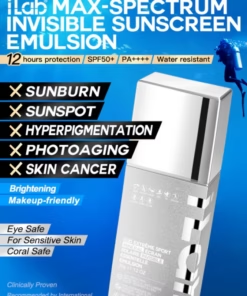
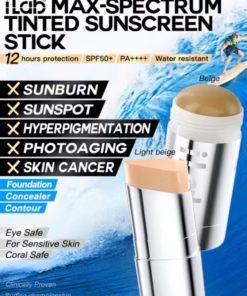
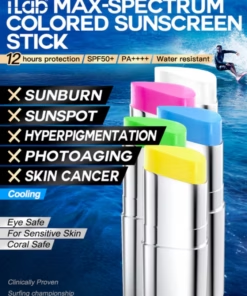
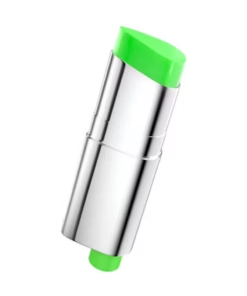
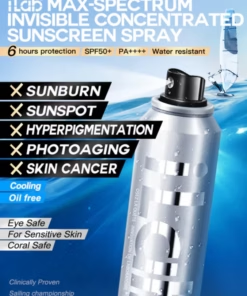
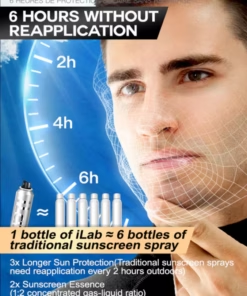
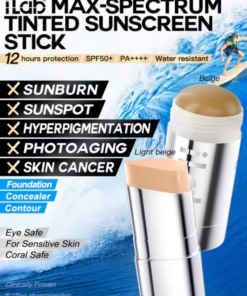
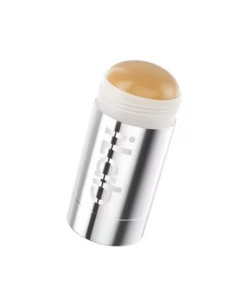
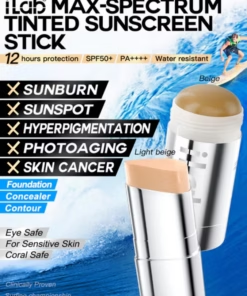
iLab Max-Spectrum Mineral Sunscreen Stick SPF50+ Tan
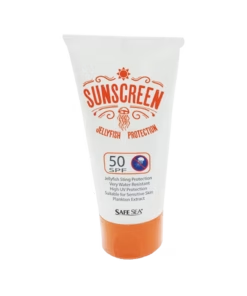
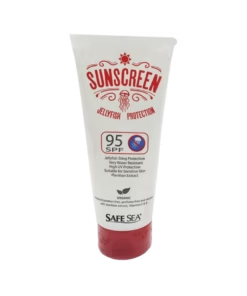
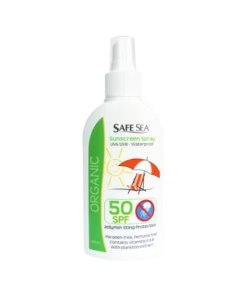
Safe Sea Jellyfish Protection SPF 50 Sunscreen - 50ml

✓  Free Shipping Over RM150|✓  Manufacturing Defect Exchange Guaranteed|✓  Expert Dive Advice Before & After Purchase|✓  100% Authentic Equipment Every Item

Filter By

Price Range


RM 32 RM 167

Filter By

Sub Categories


Filter By

Brands


Showing 1–14 of 14 products
Sort:

RM85.00
RM120.00
RM152.00

Expert Advice

Protect Yourself Without Harming the Reef

Standard chemical sunscreens contain compounds that are toxic to coral larvae and banned in many Malaysian marine parks. Reef-safe mineral formulas protect your skin without harming the coral ecosystems you came to see.

Ask About Reef Safe Products

Chemistry

Why Chemical Sunscreens Harm Coral Reefs

Oxybenzone and octinoxate — the active UV filters in most chemical sunscreens — interfere with coral larval development at concentrations as low as 62 parts per trillion. Concentrations around Malaysian dive sites regularly exceed this threshold.

Mineral Filters

Zinc Oxide vs Titanium Dioxide: The Reef-Safe Active Ingredients

Non-nano zinc oxide and non-nano titanium dioxide are the two mineral UV filters recognised as reef-safe. 'Non-nano' matters — nanoparticle forms can be ingested by marine filter feeders. Check the ingredient list specifically for these terms.

Application

When to Apply Reef Safe Sunscreen Before a Dive

Apply reef-safe sunscreen 15–20 minutes before sun exposure so the mineral formula bonds to skin. Reapply after every dive — rinsing removes mineral formulas. Apply only to skin not covered by a rashguard to minimise ocean transfer.

Malaysia

Malaysian Marine Park Sunscreen Regulations

Pulau Payar, Redang, the Perhentians, and Sabah marine parks increasingly enforce reef-safe sunscreen policies. Rangers at some sites prohibit chemical sunscreens on entry. Carry reef-safe SPF as standard for all Malaysian dive trips.

You Might Also Like

Recommended Products

Hand-picked products based on all categories

Diving Equipment

Mares Allegra Fins

RM36.00
RM122.00

Surface Marker Buoys

Mares Compact Buoy

RM64.00

FAQ

Frequently Asked Questions

Everything you need to know before making a purchase

What makes a sunscreen 'reef safe' and why does it matter at Malaysian dive sites?
Reef-safe sunscreens avoid chemical UV filters including oxybenzone (benzophenone-3) and octinoxate (ethylhexyl methoxycinnamate), which have been shown in research to bleach coral at low concentrations and disrupt coral reproduction cycles. Malaysian reef dive sites, particularly Sipadan and the Semporna reef system, host some of the world's most biodiverse coral ecosystems. Rinsing a chemically-screened product into the water at a high-diver-traffic site like Sipadan represents a cumulative exposure risk to already stressed reefs.
What are the active ingredients in reef-safe mineral sunscreens?
Mineral sunscreens use zinc oxide and/or titanium dioxide as physical UV blockers. These minerals sit on the skin surface and reflect UV radiation rather than absorbing it chemically. They are considered biodegradable and are not associated with the coral bleaching effects of oxybenzone. Non-nano particle zinc oxide (particle size above 100nm) is preferred, as nanoparticle minerals may be small enough to be ingested by marine organisms.
Does reef-safe sunscreen work as effectively as chemical sunscreen in Malaysian sun?
Broad-spectrum mineral sunscreens rated SPF 50+ block UVA and UVB effectively in Malaysian equatorial conditions. The main practical differences are texture u2014 mineral sunscreens are thicker and often leave a white cast on skin u2014 and application time. Chemical sunscreens need 20 minutes to activate after application; mineral sunscreens work immediately on application. Water resistance rating matters more than formulation type u2014 look for 80-minute water-resistant versions for a full dive morning.
Are Malaysian dive sites beginning to require reef-safe sunscreen?
Sipadan Island (managed by Sabah Parks) and several Semporna dive operators have moved toward reef-safe sunscreen policies in briefings
What SPF level is adequate for snorkelling and surface intervals at Malaysian dive sites?
For Malaysian equatorial UV exposure (UV index 10u201312 from 10am to 3pm), SPF 50 or 50+ is the minimum recommended for exposed skin during surface intervals and snorkelling. Apply before reaching the boat so it has time to adhere before water contact. Reapply after extended surface intervals u2014 even water-resistant formulations lose effectiveness after prolonged submersion or towelling. Face and neck are the highest-exposure areas on a dive boat.
Can I find reef-safe sunscreen to buy locally at Malaysian dive resorts or do I need to bring it from home?
Reef-safe mineral sunscreens have become increasingly available at dive resort shops in Kota Kinabalu, Semporna, and Redang, though selection is limited and prices are higher than city pharmacies. Brands like Little Innoscents, Stream2Sea, and Raw Love are stocked at some eco-conscious resorts. In Kuala Lumpur, Guardian, Watsons, and online retailers carry a broader range before your trip. Bringing preferred brands from home gives more choice and cost control.