HomeShopDiving EquipmentDiving Mask › Single Lens Masks

Single Lens Masks

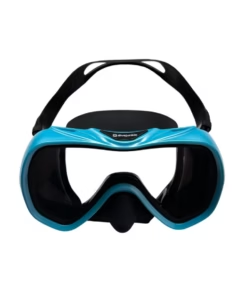
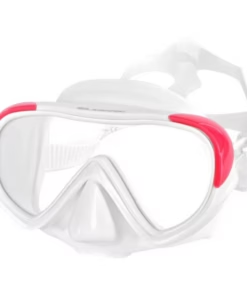
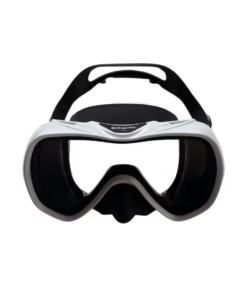
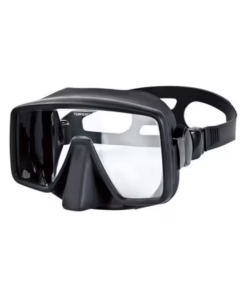
Single-lens masks use one continuous pane of glass across the full field of view — preferred by underwater photographers who want an unobstructed wide-angle perspective and by divers who favour the visual continuity of a single frame without a centre bridge dividing the view.

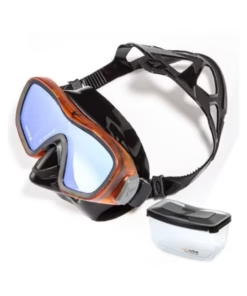
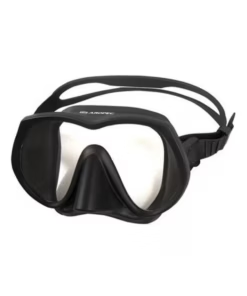
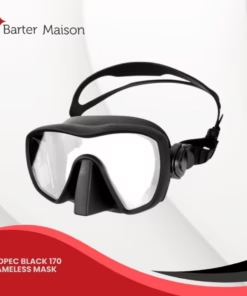
Aropec Black 170 Frameless Mask - black - black
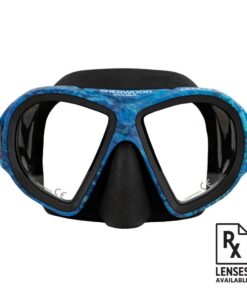
Sherwood scuba diving mask for recreational diving
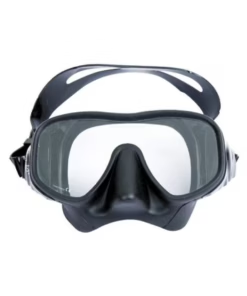
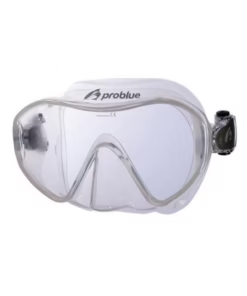
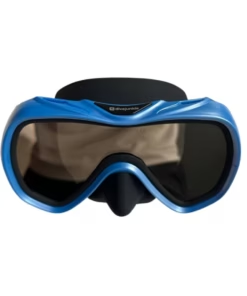
Problue MS-127 Single Mask

✓  Free Shipping Over RM150|✓  Manufacturing Defect Exchange Guaranteed|✓  Expert Dive Advice Before & After Purchase|✓  100% Authentic Equipment Every Item

Filter By

Price Range


RM 38 RM 899

Filter By

Sub Categories


Filter By

Brands


Showing 1–20 of 28 products
Sort:

RM198.00

Diving Equipment

Seac X-frame Frameless Mask

RM229.00
Price range: RM119.00 through RM139.00
RM55.00
Price range: RM179.00 through RM219.00
RM105.00
RM175.00
RM200.00
RM40.00
RM447.00
RM68.18
RM148.00
RM520.00
RM45.00
RM160.00
RM899.00
RM43.18

Expert Advice

Panoramic Vision for Wide-Angle Divers

Single-lens masks eliminate the nose bridge that divides a dual-lens field of view, creating a wide uninterrupted window on the reef below. Popular with underwater photographers who want to see more of the scene.

Ask About Single Lens Masks

Peripheral Vision

Why Single Lens Masks Offer Better Peripheral Vision Underwater

A single lens mask eliminates the central nose bridge that interrupts the field of view in dual-lens designs. The unbroken window gives underwater photographers a clearer sense of the full frame before pressing the shutter.

Volume

Single Lens Mask Air Volume and Equalisation Effort

Single lens masks typically have higher internal volume than frameless or low-volume designs. More air space means more breath required to clear a flooded mask — factor this into air consumption on multiple-flood dives.

Photography

Single Lens Masks for Underwater Photography in Malaysian Waters

Underwater photographers at Mabul, Semporna, and Sipadan favour single lens masks for the continuous field of view when shooting wide angle. The uninterrupted window reduces visual distraction in peripheral vision.

Fit

Finding a Single Lens Mask That Seals on Different Face Profiles

Single lens masks span a wider range of face widths than dual-lens models. The longer skirt contact line means small imperfections in skirt fit cause more significant leaks — test the suction test on multiple brands.

You Might Also Like

Recommended Products

Hand-picked products based on all categories

RM270.00
RM344.00

Diving Equipment

Tusa Solla Open Heel Fins

RM617.00
RM480.00
RM1,826.00

FAQ

Frequently Asked Questions

Everything you need to know before making a purchase

What makes single lens masks the preferred choice for underwater photographers at Malaysian macro sites?
Single lens masks eliminate the central nose bridge that interrupts the visual field in dual lens designs, giving a wider, unobstructed view that aligns naturally with camera housing viewfinder framing. At Malaysian macro sites like Mabul and Kapalai, where close framing of small subjects such as pygmy seahorses and nudibranchs requires precise visual alignment, the absence of a central obstruction allows the photographer to compose and shoot without mentally compensating for a visual interruption.
How does the field of view in a single lens mask compare to a dual lens for Malaysian reef navigation?
Single lens masks provide a wider, uninterrupted horizontal sweep across the centre of vision, useful for spatial awareness at Malaysian current-driven sites where detecting approaching marine life or monitoring buddy position matters. Dual lens masks offer a comparable total field of view but with a central interruption at the nose bridge. In practice, many divers switching between mask types report no meaningful visibility difference during general reef diving - the distinction is most relevant to photographers and those with a strong preference for peripheral clarity.
Are frameless single lens masks durable enough for Malaysian shore diving conditions?
Frameless single lens masks bond the lens directly to the silicone skirt without a rigid perimeter frame, producing a slim profile but less edge protection when the mask contacts rock or concrete during shore entries. Sites along Sabah's east coast and some Tioman beach entry points involve surfaces where a rigid frame provides meaningful protection for the lens edge. For divers who regularly shore dive in demanding entry conditions, a framed single lens mask is the more durable choice.
What prescription correction options are available for single lens masks?
Custom-ground lenses ordered from specialist dive opticians correct both spherical and cylindrical prescriptions in a single lens format and are available through selected optical retailers in Kuala Lumpur. Adhesive bonded inserts fitted to the interior of the lens are also available, though this is a permanent process that must be performed by someone experienced with dive optics and cannot be reversed if the prescription changes. Both options are significantly more involved than the straightforward snap-in inserts available for dual lens masks.
How does a low-profile single lens mask suit drift diving conditions at Malaysian current sites?
Low-profile single lens masks sit closer to the face, reducing the frontal surface area and water resistance during fast drifts through the channels at Layang-Layang or the current-exposed points at Sipadan. A mask that presses tightly against the face rather than presenting a larger cavity to the current also maintains its seal more reliably during the surge and turbulence of a drift entry. This is a secondary consideration for most divers but becomes noticeable for those who dive high-current Malaysian sites regularly.
What condition problems should I look for when buying a used single lens mask?
Examine the full perimeter where the single lens bonds to the silicone skirt - delamination here allows water seepage during dives that worsens progressively with each use. Inspect the tempered glass for chips at the lens edge rather than only checking the centre, since edge chips are structural stress points in a glass panel that can propagate under pressure or impact. A central lens scratch reduces visibility and comfort; a chipped edge creates a potential structural failure that should disqualify the mask regardless of its price.
What makes single lens masks the preferred choice for underwater photographers at Malaysian macro sites?
Single lens masks eliminate the central nose bridge that interrupts the visual field in dual lens designs, giving a wider, unobstructed view that aligns naturally with camera housing viewfinder framing. At Malaysian macro sites like Mabul and Kapalai, where close framing of small subjects such as pygmy seahorses and nudibranchs requires precise visual alignment, the absence of a central obstruction allows the photographer to compose and shoot without mentally compensating for a visual interruption.
How does the field of view in a single lens mask compare to a dual lens for Malaysian reef navigation?
Single lens masks provide a wider, uninterrupted horizontal sweep across the centre of vision, useful for spatial awareness at Malaysian current-driven sites where detecting approaching marine life or monitoring buddy position matters. Dual lens masks offer a comparable total field of view but with a central interruption at the nose bridge. In practice, many divers switching between mask types report no meaningful visibility difference during general reef diving u2014 the distinction is most relevant to photographers and those with a strong preference for peripheral clarity.
Are frameless single lens masks durable enough for Malaysian shore diving conditions?
Frameless single lens masks bond the lens directly to the silicone skirt without a rigid perimeter frame, producing a slim profile but less edge protection when the mask contacts rock or concrete during shore entries. Sites along Sabah's east coast and some Tioman beach entry points involve surfaces where a rigid frame provides meaningful protection for the lens edge. For divers who regularly shore dive in demanding entry conditions, a framed single lens mask is the more durable choice.
What prescription correction options are available for single lens masks?
Custom-ground lenses ordered from specialist dive opticians correct both spherical and cylindrical prescriptions in a single lens format and are available through selected optical retailers in Kuala Lumpur. Adhesive bonded inserts fitted to the interior of the lens are also available, though this is a permanent process that must be performed by someone experienced with dive optics and cannot be reversed if the prescription changes. Both options are significantly more involved than the straightforward snap-in inserts available for dual lens masks.
How does a low-profile single lens mask suit drift diving conditions at Malaysian current sites?
Low-profile single lens masks sit closer to the face, reducing the frontal surface area and water resistance during fast drifts through the channels at Layang-Layang or the current-exposed points at Sipadan. A mask that presses tightly against the face rather than presenting a larger cavity to the current also maintains its seal more reliably during the surge and turbulence of a drift entry. This is a secondary consideration for most divers but becomes noticeable for those who dive high-current Malaysian sites regularly.
What condition problems should I look for when buying a used single lens mask?
Examine the full perimeter where the single lens bonds to the silicone skirt u2014 delamination here allows water seepage during dives that worsens progressively with each use. Inspect the tempered glass for chips at the lens edge rather than only checking the centre, since edge chips are structural stress points in a glass panel that can propagate under pressure or impact. A central lens scratch reduces visibility and comfort; a chipped edge creates a potential structural failure that should disqualify the mask regardless of its price.