HomeShopDiving EquipmentDiving Fins › Open Heel Fins

Open Heel Fins

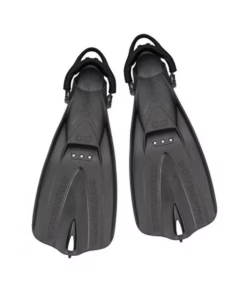
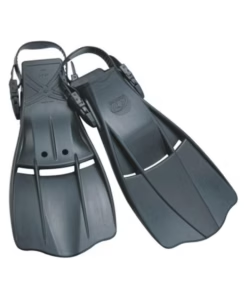
Open-heel fins accept any size foot when worn with a bootie — which is why they're the standard configuration for reef diving, wreck diving and any entry where you need to walk before you swim. Spring straps make donning and removing them at the surface significantly faster.
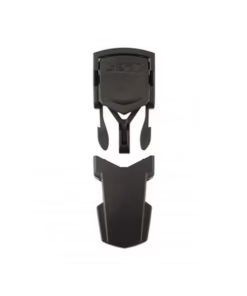
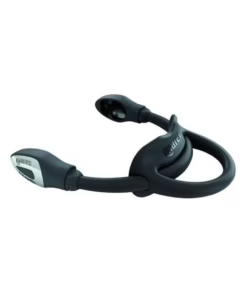
Problue AC-26-21 Spring Fin Strap
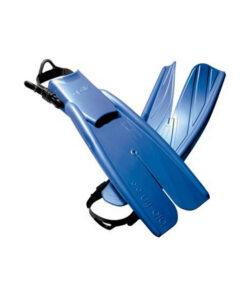
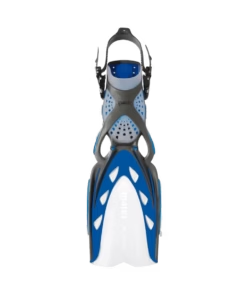
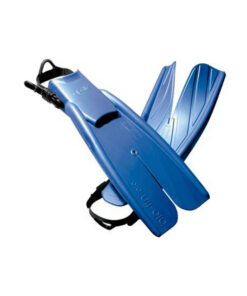
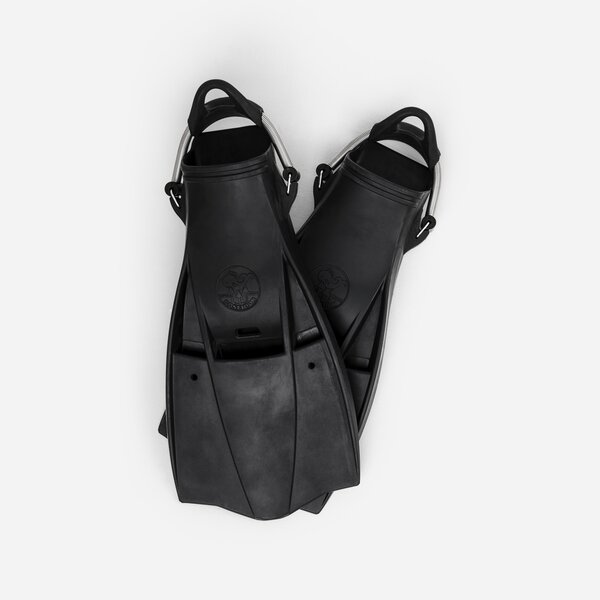
Scubapro Jet Fins Diving Fin

✓  Free Shipping Over RM150|✓  Manufacturing Defect Exchange Guaranteed|✓  Expert Dive Advice Before & After Purchase|✓  100% Authentic Equipment Every Item

Filter By

Price Range


RM 8 RM 3,360

Filter By

Sub Categories


Filter By

Brands


Showing 1–20 of 188 products
Sort:

RM19.00

Diving Equipment

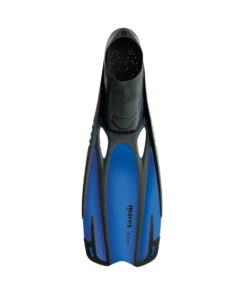
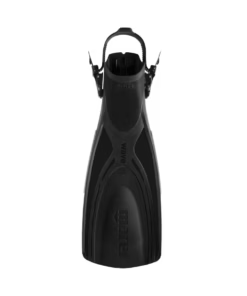
Mares Manta Fins

RM36.00

Diving Equipment

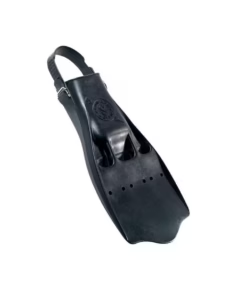
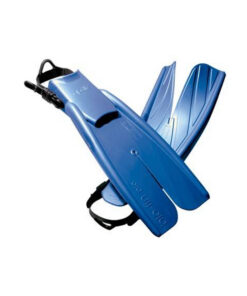
Scubapro Jet Sport Fins

Price range: RM385.00 through RM1,712.00
RM139.00

Diving Equipment

Atomic Fins Strap Only

RM16.00

Diving Equipment

Mares Excite Fins

RM610.00

Diving Equipment

Tusa Liberator X Ten Fins

RM160.00

Diving Equipment

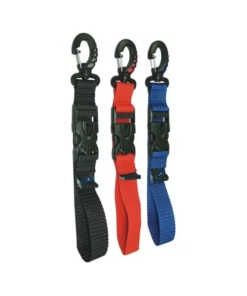
Aropec Spring Fin Straps

RM150.00
RM52.00
RM167.00

Diving Equipment

Mares Volo Race Fins

RM311.00

Diving Equipment

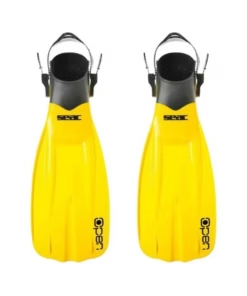
Seac F-100 Pro Fins

RM307.00

Expert Advice

The Standard Choice for Recreational Divers

Open-heel fins adjust via straps to fit any boot size — making them the default choice for divers who wear booties for warm or cold entries. Spring straps eliminate the pre-dive buckle fuss.

Ask About Open Heel Fins

Blade Stiffness

Choosing Blade Stiffness in Open-Heel Fins for Your Dive Style

Softer blades favour casual reef diving and divers with lower leg strength — forgiving and reducing cramp risk. Stiff blades generate thrust per kick for fighting Malaysian drift dive currents at Sipadan.

Spring Straps

Upgrading Open-Heel Fins With Spring Straps: What Changes

Spring straps replace the factory rubber strap and snap on in one motion — no adjusting buckles on a rolling dive boat. They hold the fin tighter against the bootie heel throughout the dive.

Bootie Fit

Matching Open-Heel Fins to Your Bootie Thickness

Open-heel fin foot pockets are sized specifically for thin, mid, or thick booties. Try fins with your actual dive booties at the shop — heel slippage from an oversized pocket is the most common finning complaint.

Travel

Packing Open-Heel Fins for Dive Trips to Sabah and Sarawak

Open-heel fins pack flat inside a roller bag or in a dedicated fin bag. Remove spring straps before packing — stored compressed, springs lose tension faster. Reattach fresh at the dive site.

You Might Also Like

Recommended Products

Hand-picked products based on all categories

Diving Equipment

Seac F1 Fins Sling

Price range: RM409.00 through RM729.00
RM3,675.00

Diving Mask

Seac Glamour Mask

RM264.00

FAQ

Frequently Asked Questions

Everything you need to know before making a purchase

What strap type gives the best longevity on open heel fins in Malaysian saltwater?
Stainless steel spring straps outlast every alternative in Malaysian saltwater - the spring steel tolerates continuous salt contamination without corroding or losing tension, and the snap-on donning and doffing speed is a genuine practical advantage on liveaboard decks where entry timing is tight. Original rubber straps that come standard on many open heel fins typically need replacing within two seasons of regular Malaysian saltwater use. Replacement spring straps in standard sizes are stocked by most dive retailers in Kuala Lumpur and Kota Kinabalu.
How do I size open heel fins correctly when diving with 3mm neoprene booties?
Always try open heel fins while wearing the exact booties you plan to dive in - the difference between a bare foot and a 3mm bootie can require a one to two size increase in the fin foot pocket. The pocket should be snug enough that there is zero heel lift when the fin is held horizontal, but not so tight that the pocket edge cuts into the Achilles tendon during sustained finning. Heel lift inside the pocket reduces kick efficiency substantially and risks losing the fin during a strong current entry.
What foot pocket blade angle suits Malaysian liveaboard drift diving?
Open heel fins with a negatively angled foot pocket - where the pocket slopes slightly downward relative to the blade plane - produce a more natural kicking motion for horizontal body trim, which is the dominant position during drift diving at Malaysian sites. This negative rake reduces the hip extension needed to keep fins elevated during long passive drifts, lowering cumulative back fatigue across multiple long dives. Fins with a straight or upward-angled foot pocket suit a more vertical frog-kick technique and are less matched to Malaysian drift conditions.
How do I inspect the foot pocket of a used open heel fin before purchasing?
Flex the foot pocket walls repeatedly and look for cracking or brittleness in the rubber, indicating that plasticiser has leached out in Malaysian heat and UV - a foot pocket in this state will split at existing cracks under the force of normal kick cycles. Pull the blade firmly at the front junction between blade and foot pocket and look for any existing delamination. Any delamination at this junction disqualifies the fin from safe use regardless of the asking price, as this is the structural failure point under kick load.
Which open heel fin features matter most at high-current Malaysian dive sites?
At sites like Sipadan's South Point or the passes around Layang-Layang, a rigid foot pocket and medium-to-stiff blade provides the control response needed to reposition quickly during a current shift or to hold position briefly against flow. A well-fitted foot pocket with zero heel lift is particularly critical in current, where a loose fin reduces thrust efficiency at precisely the moment full propulsion is required. Blade venting reduces recovery stroke drag for sustained finning without meaningfully reducing the thrust available in a controlled burst.
Can open heel fins be shared between divers of different foot sizes on a Malaysian dive trip?
Open heel fins accommodate a range of foot sizes with adjustable straps, but the foot pocket itself has a fixed internal shape and size. A diver whose foot is significantly smaller than the pocket cannot generate efficient kick cycles because the foot moves inside the pocket during finning, wasting energy. Spring straps can be tightened to partially compensate, but a pocket more than one size too large will never provide the propulsion efficiency of a correctly fitted fin - sizing each diver appropriately matters more than convenience.
What strap type gives the best longevity on open heel fins in Malaysian saltwater?
Stainless steel spring straps outlast every alternative in Malaysian saltwater u2014 the spring steel tolerates continuous salt contamination without corroding or losing tension, and the snap-on donning and doffing speed is a genuine practical advantage on liveaboard decks where entry timing is tight. Original rubber straps that come standard on many open heel fins typically need replacing within two seasons of regular Malaysian saltwater use. Replacement spring straps in standard sizes are stocked by most dive retailers in Kuala Lumpur and Kota Kinabalu.
How do I size open heel fins correctly when diving with 3mm neoprene booties?
Always try open heel fins while wearing the exact booties you plan to dive in u2014 the difference between a bare foot and a 3mm bootie can require a one to two size increase in the fin foot pocket. The pocket should be snug enough that there is zero heel lift when the fin is held horizontal, but not so tight that the pocket edge cuts into the Achilles tendon during sustained finning. Heel lift inside the pocket reduces kick efficiency substantially and risks losing the fin during a strong current entry.
What foot pocket blade angle suits Malaysian liveaboard drift diving?
Open heel fins with a negatively angled foot pocket u2014 where the pocket slopes slightly downward relative to the blade plane u2014 produce a more natural kicking motion for horizontal body trim, which is the dominant position during drift diving at Malaysian sites. This negative rake reduces the hip extension needed to keep fins elevated during long passive drifts, lowering cumulative back fatigue across multiple long dives. Fins with a straight or upward-angled foot pocket suit a more vertical frog-kick technique and are less matched to Malaysian drift conditions.
How do I inspect the foot pocket of a used open heel fin before purchasing?
Flex the foot pocket walls repeatedly and look for cracking or brittleness in the rubber, indicating that plasticiser has leached out in Malaysian heat and UV u2014 a foot pocket in this state will split at existing cracks under the force of normal kick cycles. Pull the blade firmly at the front junction between blade and foot pocket and look for any existing delamination. Any delamination at this junction disqualifies the fin from safe use regardless of the asking price, as this is the structural failure point under kick load.
Which open heel fin features matter most at high-current Malaysian dive sites?
At sites like Sipadan's South Point or the passes around Layang-Layang, a rigid foot pocket and medium-to-stiff blade provides the control response needed to reposition quickly during a current shift or to hold position briefly against flow. A well-fitted foot pocket with zero heel lift is particularly critical in current, where a loose fin reduces thrust efficiency at precisely the moment full propulsion is required. Blade venting reduces recovery stroke drag for sustained finning without meaningfully reducing the thrust available in a controlled burst.
Can open heel fins be shared between divers of different foot sizes on a Malaysian dive trip?
Open heel fins accommodate a range of foot sizes with adjustable straps, but the foot pocket itself has a fixed internal shape and size. A diver whose foot is significantly smaller than the pocket cannot generate efficient kick cycles because the foot moves inside the pocket during finning, wasting energy. Spring straps can be tightened to partially compensate, but a pocket more than one size too large will never provide the propulsion efficiency of a correctly fitted fin u2014 sizing each diver appropriately matters more than convenience.