HomeShopDiving EquipmentBCDs › Back-Inflate BCD

Back-Inflate BCD

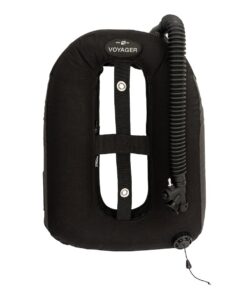
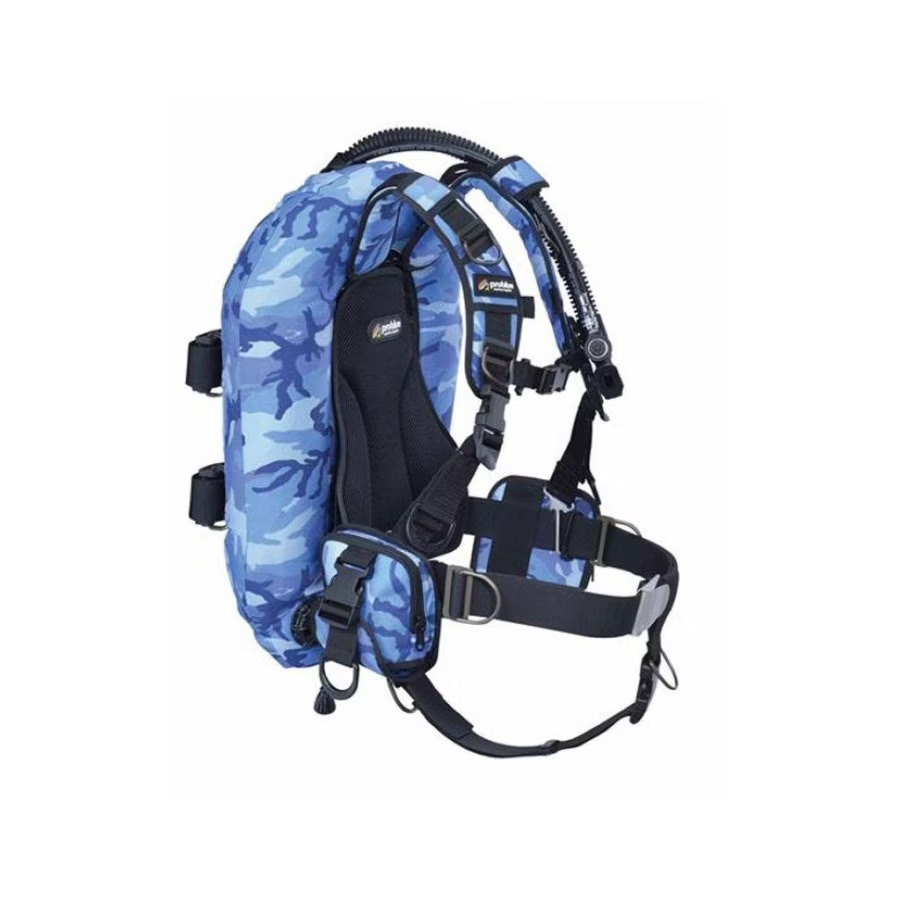
Back-inflate BCDs push the bladder behind the diver rather than wrapping it around the torso — the result is an unobstructed front and a more natural horizontal trim in the water. Popular with divers who've progressed past their first jacket BCD and want less restricted movement.
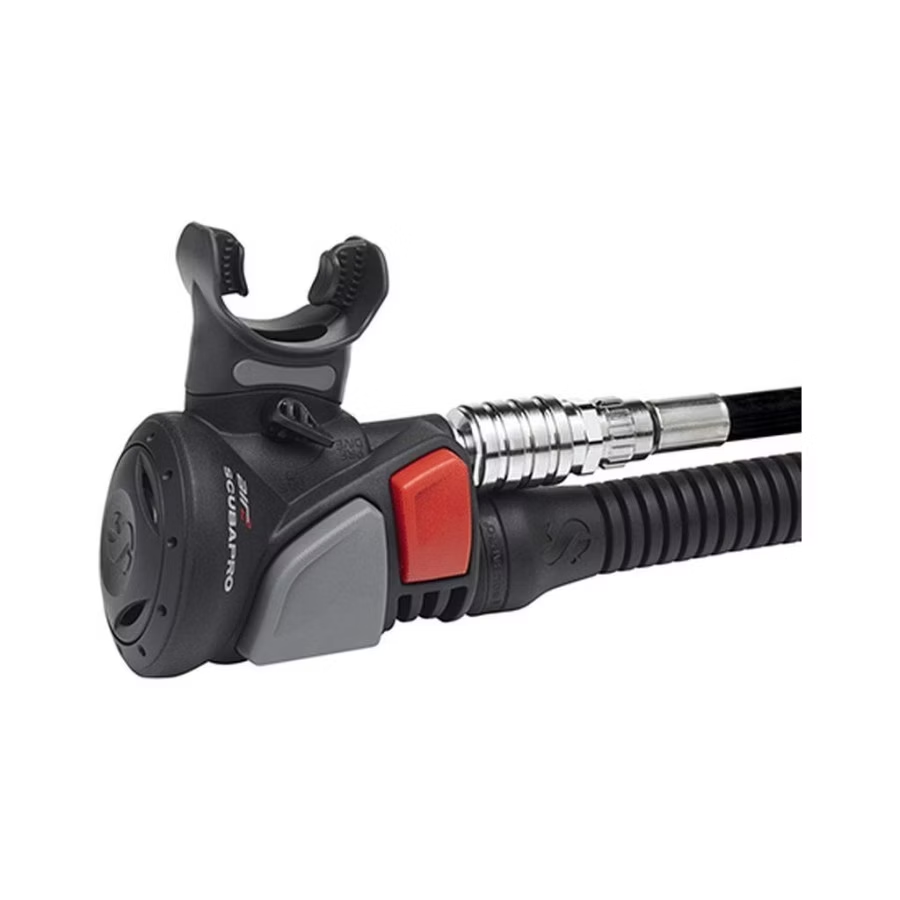
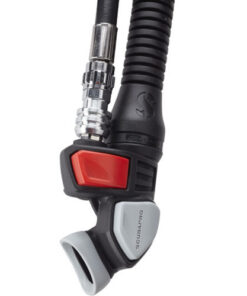
Scubapro BPI Balanced Power Inflator
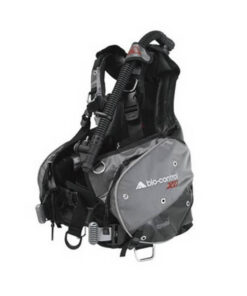
Apollo Bio Control BCD
Apollo Tas Lift Back Inflate BCD

✓  Free Shipping Over RM150|✓  Manufacturing Defect Exchange Guaranteed|✓  Expert Dive Advice Before & After Purchase|✓  100% Authentic Equipment Every Item

Filter By

Price Range


RM 18 RM 2,610

Filter By

Sub Categories


Filter By

Brands


Showing 1–20 of 32 products
Sort:

RM850.00
RM1,046.00
RM1,746.00
RM850.00
RM906.00
RM942.00
RM850.00
RM836.00
RM850.00
RM18.00

Back-Inflate BCD

Problue Orion Sidemount BCD

Price range: RM2,569.00 through RM2,610.00
RM18.00
RM133.00

Back-Inflate BCD

Helix sidemount BCD

RM150.00
RM750.00
RM42.00

Expert Advice

Horizontal Trim, Better Air, Less Drag

A back-inflate BCD positions all the lift behind you, allowing a natural horizontal trim that reduces drag and improves air consumption. The preferred choice for experienced recreational and technical divers.

Ask About Back-Inflate BCDs

Air Consumption

Why Back-Inflate BCDs Improve Air Consumption at Depth

A horizontal trim position reduces frontal drag — meaning less fin effort to maintain position and lower respiratory rate at depth. Many divers report 10–15% better air consumption after switching from jacket to back-inflate.

Surface

Managing Surface Buoyancy With a Back-Inflate BCD

Back-inflate BCDs push you face-down when fully inflated at the surface. New back-inflate users should practise surface drills before diving — the position is different from jacket BCDs.

Technical

Back-Inflate BCDs and Technical Diving Configurations

Most technical diving uses wing-style back-inflate BCDs paired with a rigid backplate. The wing sits between the diver and twin cylinders — the foundation of standard technical scuba configuration.

Sizing

Getting the Correct Back-Inflate BCD Size for Accurate Trim

Back-inflate BCDs must fit precisely to achieve correct horizontal trim. Too large and the inflated bladder pushes you feet-up. Too small and the BCD rides up the torso during the dive.

You Might Also Like

Recommended Products

Hand-picked products based on all categories

Wetsuits & Exposure Suits

Subgear Element XXL 3MM

RM240.00
RM72.00

Diving Mask

Mares Samurai Mask

RM56.00
RM262.00

FAQ

Frequently Asked Questions

Everything you need to know before making a purchase

What makes a back-inflate BCD better suited to technical and high-frequency divers at Malaysian sites?
The rear-positioned bladder creates lift that pushes the diver into a natural horizontal trim without requiring active buoyancy management, reducing the mental load on demanding dives at Layang-Layang or during multi-level profiles at Malaysian wreck sites. Instructors and dive guides logging 200-plus annual dives almost universally use back-inflate or wing systems because the trim advantage accumulates over every dive rather than only benefiting specific site types. The horizontal position also keeps fins elevated, significantly reducing accidental reef contact.
Is staying upright at the surface harder with a back-inflate BCD in Malaysian open water conditions?
Back-inflate BCDs push the diver face-forward when fully inflated, requiring the diver to angle into a back-float rather than sitting upright. In the 0.5 to 1 metre chop common during surface pick-ups off the Semporna islands or around the Perhentian approaches, newer divers may find this uncomfortable. Practising the back-float position in calm water before a liveaboard trip, and understanding that partial inflation plus a slight body angle achieves stability, resolves this concern in most cases.
What wing lift size suits recreational diving at Malaysian sites?
For single-tank recreational diving in Malaysian warm water without a drysuit, a wing with 14 to 18 kg of lift covers both aluminium and steel cylinder configurations at depths to 40 metres. Wings significantly larger than this are harder to control precisely at the fine buoyancy adjustments recreational diving requires and add unnecessary bulk when packed for airline travel. The 20 to 30 kg range becomes relevant only for twin-tank or sidemount technical configurations.
How do I pack a back-inflate BCD for budget airline travel to Malaysian dive sites?
Remove the tank band and fold the harness flat, then position the BCD with the bladder facing inward against the bag lining. Back-inflate bladders compress into a substantially smaller footprint than jacket-style bladders because the air volume is concentrated in a single rear panel rather than surrounding the torso. Most back-inflate BCDs fit alongside a 3mm wetsuit and regulator within a 100-litre dive bag that meets the 20 kg checked baggage allowance on AirAsia routes to Kota Kinabalu and Tawau.
What harness conditions should I check when buying a used back-inflate BCD?
Pull every webbing strap firmly through its buckle and inspect for fraying, brittleness, or white surface cracking that indicates UV degradation and reduced tensile strength. Webbing that feels stiff rather than pliable has likely exceeded its safe working life and should be replaced before diving. Also test each buckle for smooth, positive engagement and release - corroded buckle frames can seize closed or fail to release under load, both of which are serious safety failures.
Is a back-inflate BCD suitable for cave diving entry points in Sabah?
Standard back-inflate BCDs are not appropriate for overhead cave diving, which requires sidemount harnesses or purpose-built technical backmount systems with cylinder attachment geometry configured for confined penetration. A recreational back-inflate BCD lacks the redundant cylinder attachment points, crotch strap geometry, and trim weight options needed for safe cave penetration. Divers interested in Sabah's cave systems should complete a dedicated sidemount or cavern diving course with appropriate technical equipment before entering any overhead environment.
What makes a back-inflate BCD better suited to technical and high-frequency divers at Malaysian sites?
The rear-positioned bladder creates lift that pushes the diver into a natural horizontal trim without requiring active buoyancy management, reducing the mental load on demanding dives at Layang-Layang or during multi-level profiles at Malaysian wreck sites. Instructors and dive guides logging 200-plus annual dives almost universally use back-inflate or wing systems because the trim advantage accumulates over every dive rather than only benefiting specific site types. The horizontal position also keeps fins elevated, significantly reducing accidental reef contact.
Is staying upright at the surface harder with a back-inflate BCD in Malaysian open water conditions?
Back-inflate BCDs push the diver face-forward when fully inflated, requiring the diver to angle into a back-float rather than sitting upright. In the 0.5 to 1 metre chop common during surface pick-ups off the Semporna islands or around the Perhentian approaches, newer divers may find this uncomfortable. Practising the back-float position in calm water before a liveaboard trip, and understanding that partial inflation plus a slight body angle achieves stability, resolves this concern in most cases.
What wing lift size suits recreational diving at Malaysian sites?
For single-tank recreational diving in Malaysian warm water without a drysuit, a wing with 14 to 18 kg of lift covers both aluminium and steel cylinder configurations at depths to 40 metres. Wings significantly larger than this are harder to control precisely at the fine buoyancy adjustments recreational diving requires and add unnecessary bulk when packed for airline travel. The 20 to 30 kg range becomes relevant only for twin-tank or sidemount technical configurations.
How do I pack a back-inflate BCD for budget airline travel to Malaysian dive sites?
Remove the tank band and fold the harness flat, then position the BCD with the bladder facing inward against the bag lining. Back-inflate bladders compress into a substantially smaller footprint than jacket-style bladders because the air volume is concentrated in a single rear panel rather than surrounding the torso. Most back-inflate BCDs fit alongside a 3mm wetsuit and regulator within a 100-litre dive bag that meets the 20 kg checked baggage allowance on AirAsia routes to Kota Kinabalu and Tawau.
What harness conditions should I check when buying a used back-inflate BCD?
Pull every webbing strap firmly through its buckle and inspect for fraying, brittleness, or white surface cracking that indicates UV degradation and reduced tensile strength. Webbing that feels stiff rather than pliable has likely exceeded its safe working life and should be replaced before diving. Also test each buckle for smooth, positive engagement and release u2014 corroded buckle frames can seize closed or fail to release under load, both of which are serious safety failures.
Is a back-inflate BCD suitable for cave diving entry points in Sabah?
Standard back-inflate BCDs are not appropriate for overhead cave diving, which requires sidemount harnesses or purpose-built technical backmount systems with cylinder attachment geometry configured for confined penetration. A recreational back-inflate BCD lacks the redundant cylinder attachment points, crotch strap geometry, and trim weight options needed for safe cave penetration. Divers interested in Sabah's cave systems should complete a dedicated sidemount or cavern diving course with appropriate technical equipment before entering any overhead environment.