HomeShopDiving Equipment › Cylinders & Valves

Cylinders & Valves

Scuba cylinders store compressed breathing gas and determine how much bottom time you actually get. Steel cylinders are denser and negatively buoyant; aluminium cylinders are near-neutral at end-of-dive. Includes 10L, 12L and 15L options along with DIN and yoke valve configurations.
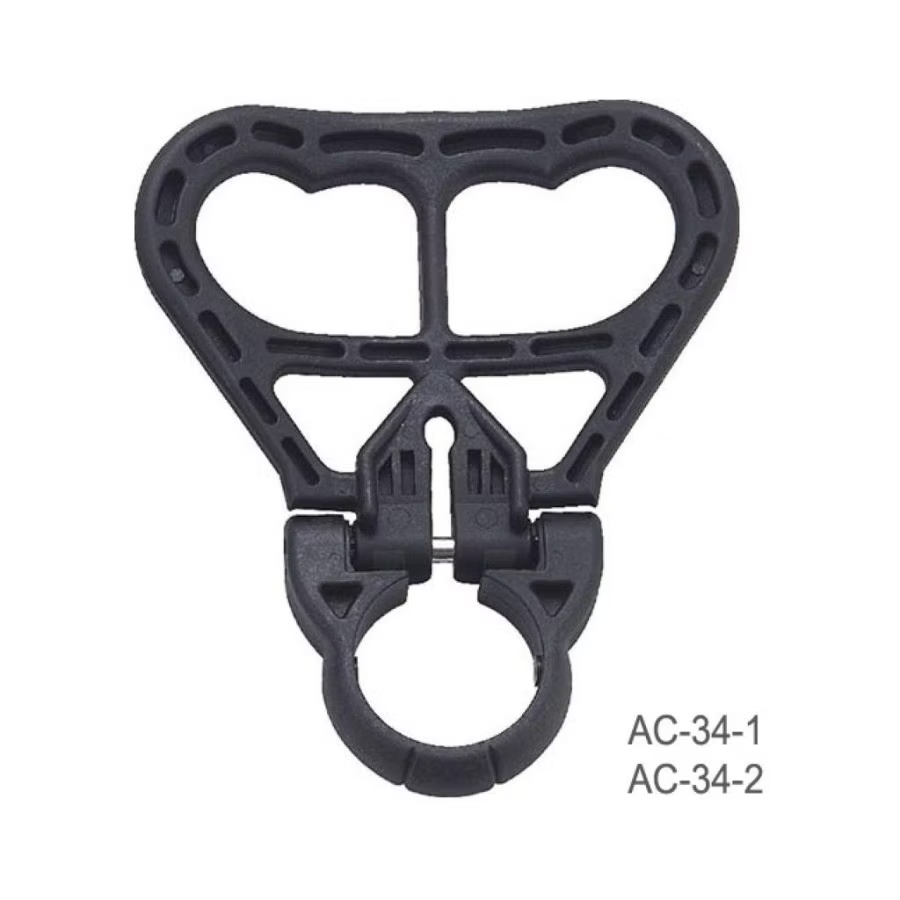
Poseidon O2 Sensor Tool
Aropec Tank Anti-Slip Pad
Mares V42 Valve Seat Disassemby Tool

✓  Free Shipping Over RM150|✓  Manufacturing Defect Exchange Guaranteed|✓  Expert Dive Advice Before & After Purchase|✓  100% Authentic Equipment Every Item

Filter By

Price Range


RM 8 RM 4,460

Filter By

Sub Categories


Filter By

Brands


Showing 1–20 of 97 products
Sort:

RM4,029.00
RM52.00
RM39.00

Cylinders & Valves

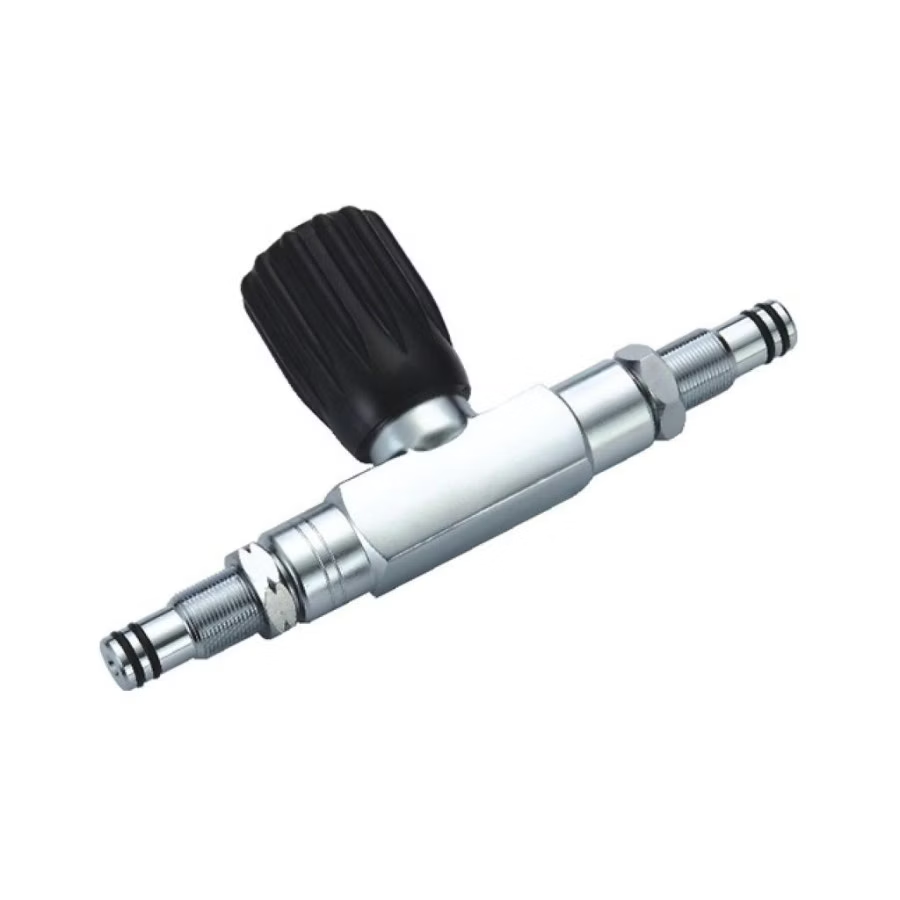
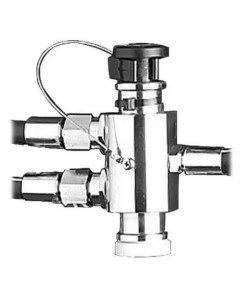
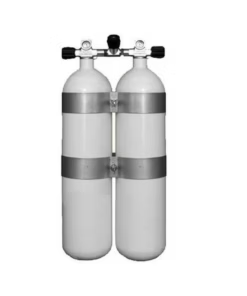
Ocean Reef Dual Tank Valve

RM1,460.00

Cylinders & Valves

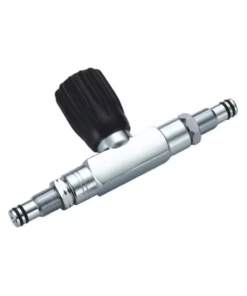
Problue IM-11 Tank Valve

RM350.00

Cylinders & Valves

Problue AC-14 Tank Boot

Price range: RM40.00 through RM43.00

Cylinders & Valves

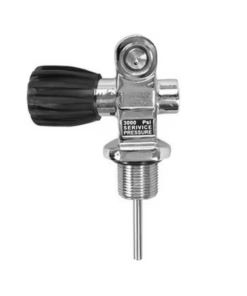
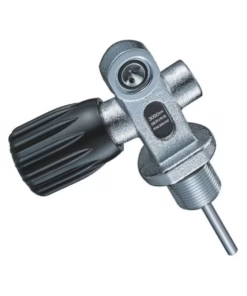
Aropec TV-6100 Tank Valve

RM230.00
RM23.00
RM4,460.00
RM20.00

Cylinders & Valves

Problue AC-15P Tank Cover

RM9.00

Cylinders & Valves

Problue IM-15-1 Tank Valve

RM339.00
RM50.00

Cylinders & Valves

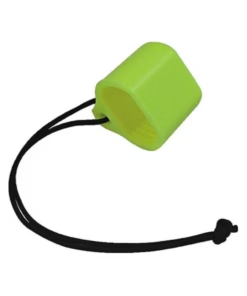
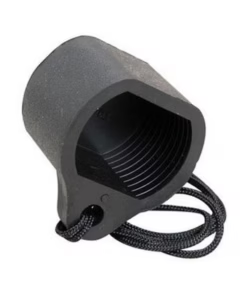
Aropec Tank Valve Cover

RM10.00
RM2,303.00
RM679.00

Cylinders & Valves

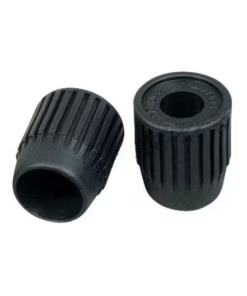
Aropec Tank Knob – black

RM15.00

1235

Buyer's Guide

The Foundation of Every Scuba System

Steel or aluminium, single or twin, DIN or yoke — cylinder selection defines your configuration. We stock cylinders and valves for recreational, technical, and sidemount diving used at Malaysian dive centres.

Get Cylinder Buying Advice

Steel vs Aluminium

Steel vs Aluminium Cylinders: Which Is Right for Your Diving?

Steel cylinders are negatively buoyant when near-empty — reducing the weight you need to wear. Aluminium cylinders become positively buoyant when empty and need extra lead ballast, less efficient for most recreational divers.

DIN vs Yoke

DIN vs Yoke Cylinder Valves: What Malaysian Dive Centres Use

Most Malaysian dive centres rent yoke-valve cylinders for recreational diving. Technical divers often carry DIN first stages with a DIN-to-yoke adapter for centre compatibility at rental operations.

Inspection

Cylinder Hydrostatic Testing: What Malaysian Regulations Require

Cylinders require visual inspection annually and hydrostatic pressure testing every 5 years. Never dive a cylinder that has failed visual inspection — internal corrosion is invisible from the outside.

Volume

Which Cylinder Volume Is Right for Your Diving Style?

A 10L cylinder at 200 bar holds 2000L of gas — about 40 minutes at 10m. Deeper dives consume more gas per minute. 12L cylinders are the standard choice for Malaysian recreational diving.

You Might Also Like

Recommended Products

Hand-picked products based on all categories

RM25.00
RM310.00

Diving Torches & Lights

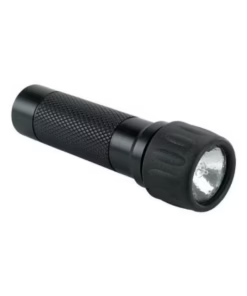
Snap Sight H2O Man Torch 5LED

RM18.00

FAQ

Frequently Asked Questions

Everything you need to know before making a purchase

What cylinder material u2014 aluminium or steel u2014 is more practical for Malaysian diving?
Aluminium cylinders are the standard at Malaysian dive operators and rental operations because they are corrosion-resistant in saltwater, require less maintenance between dives, and are widely available in the 10 and 12 litre capacities used across Malaysian sites from peninsula resorts to Semporna liveaboards. Steel cylinders hold more gas at an equivalent physical size and are preferred by technical divers for extended bottom times, but they require more rigorous fresh-water rinsing and corrosion monitoring in Malaysian saltwater. For recreational divers starting cylinder ownership in Malaysia, aluminium is the lower-maintenance starting point.
What cylinder capacity and fill pressure is standard at Malaysian dive operators?
The 12-litre aluminium cylinder filled to 200 bar is the most commonly available configuration at Malaysian dive operators, providing approximately 2,400 litres of gas u2014 sufficient for a 60-minute recreational dive at 18 metres for most breathing rates. Some Sabah technical operators also offer 15-litre cylinders at 232 bar for extended profiles. Steel 12-litre cylinders are available at a smaller number of Malaysian operators and require confirming that the operator's compressor output matches the rated fill pressure before use.
How do I inspect a second-hand scuba cylinder before buying it?
Request the cylinder's hydrostatic test date u2014 a valid test stamp is legally required and indicates the cylinder has been pressure-tested within the required interval. Inspect the outer surface for deep pitting, dents, or any weld marks indicating previous repair, all of which are grounds for rejection without further consideration. Internal visual inspection by a qualified technician is required to check for internal corrosion, valve seat damage, and boot corrosion that is invisible from the exterior u2014 never buy a cylinder without an internal visual inspection.
What valve type is standard at Malaysian dive operators, and does it matter which cylinder I use?
K-valve yoke-style valves are the Malaysian standard across all recreational dive operators and liveaboards, matched to the yoke-connection first stages that are equally universal in the local market. DIN valves, which thread a DIN-compatible first stage directly into the valve port, are available at a smaller number of technical diving operators in Kuala Lumpur and Kota Kinabalu. If you own a DIN regulator, most Malaysian operators can provide a DIN-to-yoke adaptor, but confirming this before a remote liveaboard departure avoids an avoidable equipment incompatibility.
How does buoyancy behaviour differ between aluminium and steel cylinders during a Malaysian dive?
Aluminium 12-litre cylinders are close to neutral buoyancy when full and become slightly positively buoyant as gas is consumed u2014 a buoyancy shift of approximately 2 to 3 kg across the dive that the diver must compensate with BCD inflation as the tank empties. Steel cylinders remain negatively buoyant throughout the dive, reducing the total ballast weight needed but meaning the diver carries the cylinder's negative buoyancy as a constant through BCD inflation. This distinction directly affects the buoyancy check all divers should perform before the first dive at any Malaysian site when switching cylinder types.
What are the hydrostatic and visual inspection requirements for scuba cylinders in Malaysia?
Scuba cylinders in Malaysia require hydrostatic pressure testing every five years and an annual visual internal inspection. The hydrostatic test date is stamped on the cylinder shoulder alongside the working pressure and serial number. Cylinders with an expired test date cannot legally be filled at any compliant Malaysian dive operator compressor. If you own a personal cylinder, tracking test dates and organising testing through a dive equipment service centre in Kuala Lumpur or Kota Kinabalu before expiry avoids the frustration of a refused fill at the start of a dive trip.
What cylinder material u2014 aluminium or steel u2014 is more practical for Malaysian diving?
Aluminium cylinders are the standard at Malaysian dive operators and rental operations because they are corrosion-resistant in saltwater, require less maintenance between dives, and are widely available in the 10 and 12 litre capacities used across Malaysian sites from peninsula resorts to Semporna liveaboards. Steel cylinders hold more gas at an equivalent physical size and are preferred by technical divers for extended bottom times, but they require more rigorous fresh-water rinsing and corrosion monitoring in Malaysian saltwater. For recreational divers starting cylinder ownership in Malaysia, aluminium is the lower-maintenance starting point.
What cylinder capacity and fill pressure is standard at Malaysian dive operators?
The 12-litre aluminium cylinder filled to 200 bar is the most commonly available configuration at Malaysian dive operators, providing approximately 2,400 litres of gas u2014 sufficient for a 60-minute recreational dive at 18 metres for most breathing rates. Some Sabah technical operators also offer 15-litre cylinders at 232 bar for extended profiles. Steel 12-litre cylinders are available at a smaller number of Malaysian operators and require confirming that the operator's compressor output matches the rated fill pressure before use.
How do I inspect a second-hand scuba cylinder before buying it?
Request the cylinder's hydrostatic test date u2014 a valid test stamp is legally required and indicates the cylinder has been pressure-tested within the required interval. Inspect the outer surface for deep pitting, dents, or any weld marks indicating previous repair, all of which are grounds for rejection without further consideration. Internal visual inspection by a qualified technician is required to check for internal corrosion, valve seat damage, and boot corrosion that is invisible from the exterior u2014 never buy a cylinder without an internal visual inspection.
What valve type is standard at Malaysian dive operators, and does it matter which cylinder I use?
K-valve yoke-style valves are the Malaysian standard across all recreational dive operators and liveaboards, matched to the yoke-connection first stages that are equally universal in the local market. DIN valves, which thread a DIN-compatible first stage directly into the valve port, are available at a smaller number of technical diving operators in Kuala Lumpur and Kota Kinabalu. If you own a DIN regulator, most Malaysian operators can provide a DIN-to-yoke adaptor, but confirming this before a remote liveaboard departure avoids an avoidable equipment incompatibility.
How does buoyancy behaviour differ between aluminium and steel cylinders during a Malaysian dive?
Aluminium 12-litre cylinders are close to neutral buoyancy when full and become slightly positively buoyant as gas is consumed u2014 a buoyancy shift of approximately 2 to 3 kg across the dive that the diver must compensate with BCD inflation as the tank empties. Steel cylinders remain negatively buoyant throughout the dive, reducing the total ballast weight needed but meaning the diver carries the cylinder's negative buoyancy as a constant through BCD inflation. This distinction directly affects the buoyancy check all divers should perform before the first dive at any Malaysian site when switching cylinder types.
What are the hydrostatic and visual inspection requirements for scuba cylinders in Malaysia?
Scuba cylinders in Malaysia require hydrostatic pressure testing every five years and an annual visual internal inspection. The hydrostatic test date is stamped on the cylinder shoulder alongside the working pressure and serial number. Cylinders with an expired test date cannot legally be filled at any compliant Malaysian dive operator compressor. If you own a personal cylinder, tracking test dates and organising testing through a dive equipment service centre in Kuala Lumpur or Kota Kinabalu before expiry avoids the frustration of a refused fill at the start of a dive trip.