HomeShopDiving Equipment › Wetsuits & Exposure Suits

Wetsuits & Exposure Suits

Neoprene thickness is matched to water temperature and dive duration — 3mm for Malaysian tropical reef dives, 5mm for deeper or multiple daily dives, 7mm or a semi-drysuit where thermoclines drop into the mid-20s. Women's specific cuts and open-cell freediving suits also available.
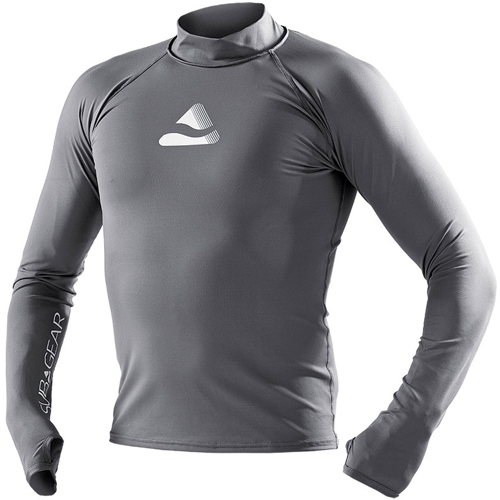
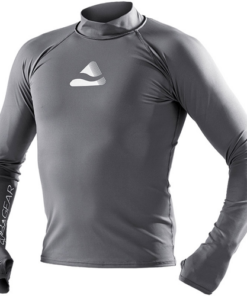
Scubapro T Flex Short Sleeves Lady Rashguard - Deep Down You Want The Best
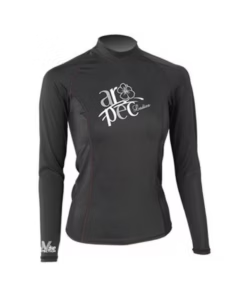
Aropec 2mm Hip Pockets Neoprene Shorts with Waistband
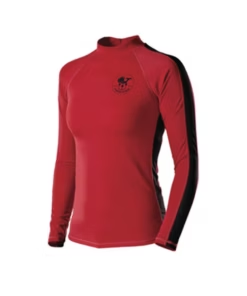
Seac Warm Guard Long Sleeves Rashguard - Women

✓  Free Shipping Over RM150|✓  Manufacturing Defect Exchange Guaranteed|✓  Expert Dive Advice Before & After Purchase|✓  100% Authentic Equipment Every Item

Filter By

Price Range


RM 14 RM 10,146

Filter By

Sub Categories


Filter By

Brands


Showing 441–460 of 600 products
Sort:

Diving Equipment

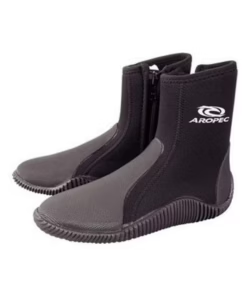
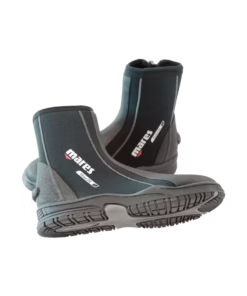
Mares Equator Booties – 6

RM129.00

Wetsuits & Exposure Suits

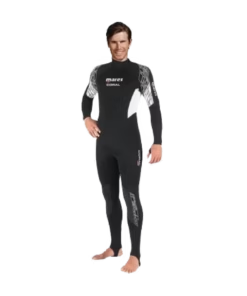
Mares Coral Wetsuit

RM204.00
RM244.00

Wetsuits & Exposure Suits

Seac Undersuit Man

RM208.00

Wetsuits & Exposure Suits

Problue RW-955 3.0mm Male Full Suit

RM789.00
RM700.00

Diving Equipment

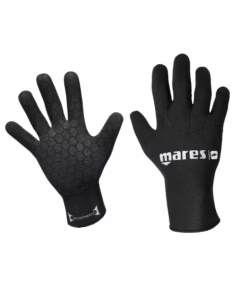
Mares Flexa Fit 5mm Gloves

RM52.00
RM35.00
RM240.00
RM39.00

Wetsuits & Exposure Suits

Camaro Wetsuits

RM100.00

Wetsuits & Exposure Suits

Scubapro Thermal Tec 5mm – Woman – S

RM1,572.00

Wetsuits & Exposure Suits

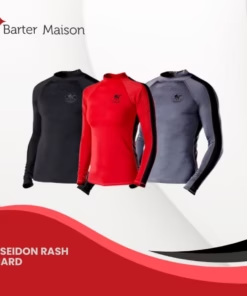
Poseidon One Suit Sport 5mm Female

RM1,559.00

Buyer's Guide

Thermal Protection for Every Depth and Temperature

Malaysian waters range from 28°C at the surface to under 20°C on deep walls. The right wetsuit thickness keeps you diving longer — 3mm for tropical reef dives, 5mm for deeper technical profiles, 7mm for extended deep dives.

Get Wetsuit Advice

Thickness Guide

Wetsuit Thickness Guide for Malaysian Diving Conditions

Diving the reefs of Redang and Tioman at 5–15m in 28°C water suits a 3mm wetsuit. Wall diving Sipadan below 20m in thermoclines benefits from 5mm. Technical profiles at 30m+ warrant 7mm for extended thermal protection.

Neoprene Quality

Yamamoto vs Standard Neoprene: Is the Premium Worth It?

Yamamoto limestone-based neoprene is more flexible, more insulating, and lighter than standard petroleum-based neoprene for the same thickness. The premium is justified for anyone diving 50+ days per year in Malaysian salt water.

Fit

Getting Wetsuit Fit Right: Measurements That Matter for Performance

Wetsuit fit is the single biggest factor in thermal performance. A proper wetsuit has no water space at wrists, ankles, crotch, or neckline. Try suits physically if possible — height and weight alone don't determine the right size across brands.

Care

Extending Your Wetsuit's Life: Rinsing, Storage, and Repair

Rinse wetsuits inside-out in fresh water after every dive. Dry on a wide hanger in shade — thin wire hangers distort neoprene shoulders permanently. Store flat or loosely rolled, never folded at the knee. Repair small tears with neoprene cement.

You Might Also Like

Recommended Products

Hand-picked products based on all categories

Diving Equipment

Mares Excel + Fins

RM180.00

Dive Computers

Mares EOS 15RZ Torch

RM428.00

Gauges & Consoles

Tusa Single Pressure Gauge

RM636.00
RM186.00
RM169.00

FAQ

Frequently Asked Questions

Everything you need to know before making a purchase

What wetsuit thickness is appropriate for different Malaysian dive sites?
A 3mm full wetsuit covers most Malaysian recreational diving conditions u2014 warm surface water at 28 to 30 degrees Celsius at peninsula sites like Tioman and Redang, and slightly cooler conditions at deeper Sabah sites like Layang-Layang where thermoclines push temperatures to 24 degrees around 20 metres depth. A 1mm to 2mm shorty suits purely shallow reef sessions in the warmest months. Divers who feel cold easily benefit from a full 3mm suit even at sites where others dive in only a rashguard, as sustained cold reduces concentration and shortens comfortable bottom time.
How do I choose between a full wetsuit and a shorty wetsuit for Malaysian diving?
Shorty wetsuits protect the core and upper limbs but leave the calves and forearms exposed, which reduces thermal protection during long dives and provides less abrasion protection during shore entries at Malaysian sites with rocky or coral-covered substrates. Full wetsuits cover the legs and arms, adding meaningful protection against chill at depth and UV radiation during surface intervals. For most Malaysian divers, a 3mm full wetsuit is the more practical primary purchase, with a shorty as an optional complement for the hottest surface conditions at very shallow sites.
What wetsuit features matter most for Malaysian liveaboard diving?
Flatlock stitching is the standard for wetsuits used in Malaysian warm water and is more comfortable against the skin during a full day of repeated wearing and removal between dives. Glued and blind-stitched seams are warmer and more water-resistant but heavier u2014 more appropriate for cold water than Malaysian conditions. Internal smooth skin panels on the torso retain body heat more effectively than plain neoprene interior, extending comfortable dive time for divers prone to feeling cold at thermocline depths around 20 metres on Sabah offshore sites.
How do I care for a wetsuit during a multi-day Malaysian liveaboard trip?
Rinse the wetsuit in fresh water immediately after every dive rather than leaving it in a saltwater gear bin u2014 salt residue left to dry in Malaysian heat accelerates neoprene compression and degrades the insulating cell structure. Hang the wetsuit by the torso on a wide-diameter hanger in a shaded, ventilated space rather than doubling it over a narrow rail, which creates permanent creases in the neoprene. After the last dive of the trip, rinse both the inner and outer surfaces thoroughly, allow complete drying, then store loosely rolled rather than compressed under other gear.
When does a Malaysian diver actually need a drysuit instead of a wetsuit?
Drysuits become relevant for Malaysian technical divers conducting extended decompression dives at depth, where prolonged exposure to thermocline temperatures over a multi-day itinerary creates cumulative heat loss that a thin wetsuit cannot adequately manage. Recreational divers staying within 40 metres rarely experience this cumulative cooling effect at Malaysian sites. Commercial divers, underwater videographers on long operational shifts, and researchers working Malaysian offshore infrastructure are the other groups for whom drysuit use in Malaysian conditions makes practical sense.
What exposure accessories should I pair with a wetsuit for Malaysian diving?
Neoprene booties protect the feet during shore entries and add thermal coverage over the ankle, which is often the most poorly insulated point on a wetsuit-wearing diver in Malaysian warm water. A hood adds significant warmth for divers chilled easily during thermocline exposures at Sabah's deeper offshore sites, as the head accounts for a disproportionate share of body heat loss. Gloves are rarely needed in Malaysian water temperatures for recreational diving but provide useful protection against incidental contact with fire coral and stinging hydroids at Malaysian macro dive sites.
What wetsuit thickness is appropriate for different Malaysian dive sites?
A 3mm full wetsuit covers most Malaysian recreational diving conditions u2014 warm surface water at 28 to 30 degrees Celsius at peninsula sites like Tioman and Redang, and slightly cooler conditions at deeper Sabah sites like Layang-Layang where thermoclines push temperatures to 24 degrees around 20 metres depth. A 1mm to 2mm shorty suits purely shallow reef sessions in the warmest months. Divers who feel cold easily benefit from a full 3mm suit even at sites where others dive in only a rashguard, as sustained cold reduces concentration and shortens comfortable bottom time.
How do I choose between a full wetsuit and a shorty wetsuit for Malaysian diving?
Shorty wetsuits protect the core and upper limbs but leave the calves and forearms exposed, which reduces thermal protection during long dives and provides less abrasion protection during shore entries at Malaysian sites with rocky or coral-covered substrates. Full wetsuits cover the legs and arms, adding meaningful protection against chill at depth and UV radiation during surface intervals. For most Malaysian divers, a 3mm full wetsuit is the more practical primary purchase, with a shorty as an optional complement for the hottest surface conditions at very shallow sites.
What wetsuit features matter most for Malaysian liveaboard diving?
Flatlock stitching is the standard for wetsuits used in Malaysian warm water and is more comfortable against the skin during a full day of repeated wearing and removal between dives. Glued and blind-stitched seams are warmer and more water-resistant but heavier u2014 more appropriate for cold water than Malaysian conditions. Internal smooth skin panels on the torso retain body heat more effectively than plain neoprene interior, extending comfortable dive time for divers prone to feeling cold at thermocline depths around 20 metres on Sabah offshore sites.
How do I care for a wetsuit during a multi-day Malaysian liveaboard trip?
Rinse the wetsuit in fresh water immediately after every dive rather than leaving it in a saltwater gear bin u2014 salt residue left to dry in Malaysian heat accelerates neoprene compression and degrades the insulating cell structure. Hang the wetsuit by the torso on a wide-diameter hanger in a shaded, ventilated space rather than doubling it over a narrow rail, which creates permanent creases in the neoprene. After the last dive of the trip, rinse both the inner and outer surfaces thoroughly, allow complete drying, then store loosely rolled rather than compressed under other gear.
When does a Malaysian diver actually need a drysuit instead of a wetsuit?
Drysuits become relevant for Malaysian technical divers conducting extended decompression dives at depth, where prolonged exposure to thermocline temperatures over a multi-day itinerary creates cumulative heat loss that a thin wetsuit cannot adequately manage. Recreational divers staying within 40 metres rarely experience this cumulative cooling effect at Malaysian sites. Commercial divers, underwater videographers on long operational shifts, and researchers working Malaysian offshore infrastructure are the other groups for whom drysuit use in Malaysian conditions makes practical sense.
What exposure accessories should I pair with a wetsuit for Malaysian diving?
Neoprene booties protect the feet during shore entries and add thermal coverage over the ankle, which is often the most poorly insulated point on a wetsuit-wearing diver in Malaysian warm water. A hood adds significant warmth for divers chilled easily during thermocline exposures at Sabah's deeper offshore sites, as the head accounts for a disproportionate share of body heat loss. Gloves are rarely needed in Malaysian water temperatures for recreational diving but provide useful protection against incidental contact with fire coral and stinging hydroids at Malaysian macro dive sites.