HomeShopAccessories › Bags

Bags

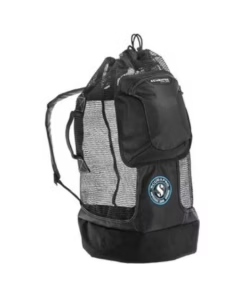
The bag you choose determines whether your gear arrives at the dive site intact or in pieces. Mesh bags rinse easily after boat dives, fin bags protect blades in transit, dry bags keep electronics safe, and roller bags handle airport check-in without the 23kg panic.

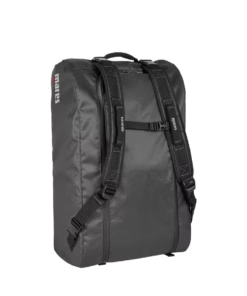
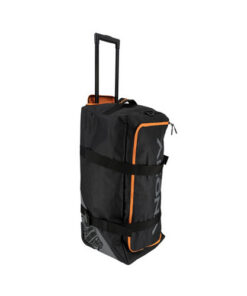
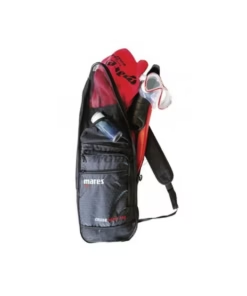
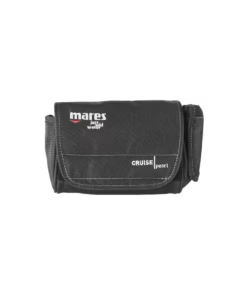
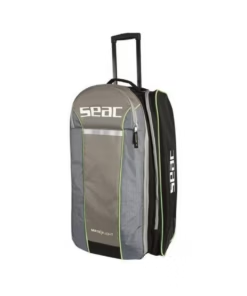
Mares Cruise Bag Cruise Back Pack Roller (NEW)
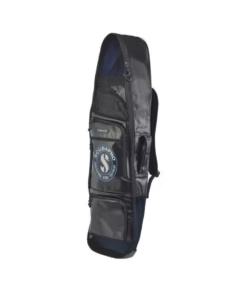
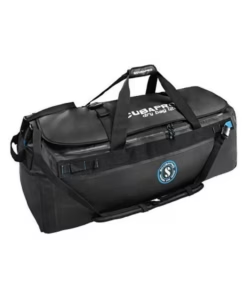
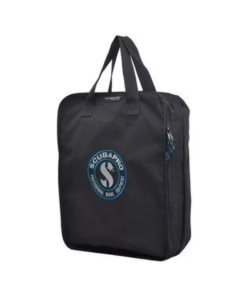
Scubapro Hydros Carry Bag

✓  Free Shipping Over RM150|✓  Manufacturing Defect Exchange Guaranteed|✓  Expert Dive Advice Before & After Purchase|✓  100% Authentic Equipment Every Item

Filter By

Price Range


RM 2 RM 1,572

Filter By

Sub Categories


Filter By

Brands


Showing 101–120 of 197 products
Sort:

RM200.00
RM570.00
RM84.00
RM28.00
RM385.00
RM139.00
RM64.00
RM617.00
RM69.00
RM34.00
RM52.00
RM420.00
RM32.00

Buyer's Guide

Find Your Perfect Dive Bag

The right bag protects your investment from the car park to the dive deck. Whether you're flying to Sipadan or driving to the coast, we have the carry solution that fits.

Get Dive Bag Advice

Bag Types

Choosing Between Mesh, Dry and Roller Bags

Mesh bags drain fast for wet kit; dry bags waterproof valuables; roller bags protect full scuba rigs on flights. Most serious divers use all three for different jobs.

Airline Travel

Weight Limits and Dive Bag Strategy for Malaysian Flights

A full scuba rig typically hits 20–23kg packed. Low-cost carriers flying KL to Kota Kinabalu have lower limits than full-service airlines — check each leg separately.

Liveaboards

What to Carry on a Semporna or Redang Liveaboard

A mesh bag for wet kit and a small dry bag for electronics are the two non-negotiable carry pieces for every dive day on a Malaysian liveaboard.

Salt Water Care

Rinsing and Drying Dive Bags After Every Salt Water Use

Salt crystallises inside mesh weave and dry bag seams. Rinse in fresh water after every saltwater dive trip and leave unzipped to dry fully before storing.

You Might Also Like

Recommended Products

Hand-picked products based on all categories

RM25.00

Diving Equipment

Mares Tech Hood – 6.5.3mm

RM88.00
RM160.00
RM430.00

FAQ

Frequently Asked Questions

Everything you need to know before making a purchase

What types of dive bags are available and which suits different Malaysian diving styles?
Hard-sided roller bags provide the most protection for fragile equipment like regulators and computers during airline travel to Malaysian dive destinations, though they are heavy, inflexible in terms of packing volume, and impractical for carrying on Malaysian dive boats. Soft-sided roller bags balance protection and flexibility for most Malaysian dive travellers. Backpack-style dive bags suit shore diving and resort diving where equipment must be carried from accommodation to the entry point. Dry bags and mesh bags serve specialised roles as inner organisers u2014 dry bags protecting electronics and documents, and mesh bags allowing saltwater to drain from wet gear on the dive boat deck.
What bag capacity suits a Malaysian liveaboard dive trip?
A 90 to 120-litre capacity soft-sided dive bag accommodates the full equipment set for a Malaysian liveaboard u2014 BCD, regulator, wetsuit, fins, mask, computer, and accessories u2014 while staying within the practical handling limits of one person. Bags larger than 120 litres become difficult to lift into luggage compartments and carry along Malaysian jetties and boat boarding steps that require stepping up without rail assistance. A second smaller bag of 20 to 30 litres for camera equipment, electronics, and daily-use items carried onto the liveaboard independently is a common and practical split for multi-day Malaysian trips.
What bag features protect equipment during airline travel to Malaysian dive destinations?
Padded internal dividers or a compression structure that prevents regulators and computers from shifting within the bag during airline baggage handling provide the most protection against the impact damage that occurs when airline baggage is stacked and moved in bulk. Reinforced base panels protect equipment from the abrasion of conveyor belts at Malaysian airports. External compression straps prevent the bag from expanding during handling and reduce the risk of zip failure under load u2014 a common cause of equipment exposure and loss during checked baggage handling.
Are wheeled bags or backpack-style dive bags more practical for Malaysian travel?
Wheeled bags are significantly more practical for the long flat distances of Malaysian international and domestic airports u2014 pulling 20 kg of dive equipment through KLIA or Kota Kinabalu airport is feasible with wheels and exhausting without them. Backpack-style bags become the better choice once at the dive site u2014 boarding a Malaysian liveaboard from a low jetty or beach, carrying equipment across sand to a shore entry, or loading gear onto a small day boat all involve terrain where wheels provide no advantage and a backpack frame distributes the weight more manageably. Many experienced Malaysian dive travellers use a wheeled bag for airline transit that converts to a backpack carry mode at the destination.
How do I pack a dive bag efficiently for a Malaysian liveaboard trip?
Place fins flat on the bottom of the bag, then layer the wetsuit and BCD folded flat on top u2014 the heaviest and most flexible items form the base. Pack the regulator in the centre of the bag surrounded by soft items like the wetsuit and rashguard to protect the second stages and pressure gauge from impact. Place the mask in its rigid case inside the bag in a position where it cannot be crushed by the regulator. Reserve one external pocket for the dive computer, torch, and any items needed immediately on arrival without unpacking the main bag.
How do I care for a dive bag after repeated exposure to Malaysian saltwater and humidity?
Rinse the inside of the dive bag with fresh water after every liveaboard trip to remove salt that has transferred from wet equipment stored inside during transit. Allow the bag to dry completely with the main zip open and any internal pockets turned out u2014 a dive bag closed and stored damp in Malaysian humidity becomes a mildew incubator within 48 hours. Inspect the main zip teeth and slider for salt crystallisation every few months, cleaning with a soft brush and applying a specialised zip lubricant u2014 a corroded or dried zip is the most common reason a functional dive bag becomes unusable.