
Freediving Equipment, Diving Fins, Diving Gear, Diving Mask, Wetsuits
Freediving Equipment Malaysia: Greatest Key Differences vs Scuba Gear 2026
Ever tried packing light for a diving trip, then realised your bag weighs a ton? If you often cross the Causeway, you might notice the equipment at Malaysian dive shops looks a little different from what Singaporeans are used to. Understanding the freediving equipment Malaysia offers becomes even more important when comparing it to traditional scuba gear. Many new divers are surprised by how much simpler and lighter freediving sets can be. But what exactly sets these two types of gear apart?
This post breaks down the main differences between freediving and scuba equipment, highlights key features to look out for in Malaysia’s market, and helps you pick the right setup for your next underwater adventure. Whether you are a curious snorkeler or a seasoned diver, you’ll get clear pointers on what matters most when gearing up. Let’s dive right into the essentials you need to know before heading out.
Freediving Equipment Malaysia: Key Differences vs Scuba Gear 2026 – What You Must Know
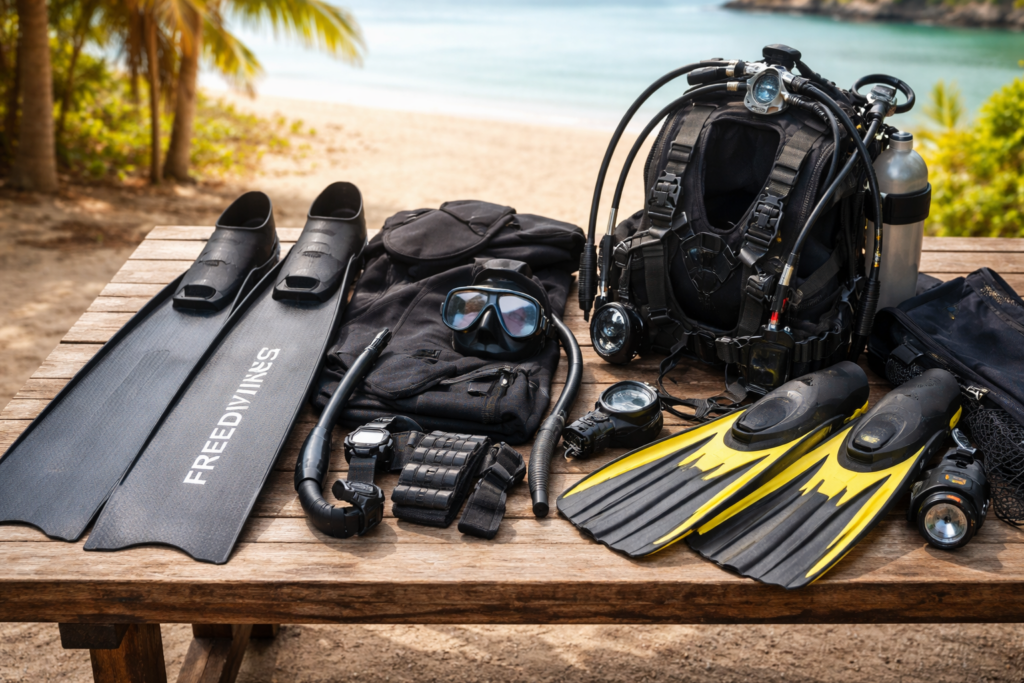
When searching for freediving equipment Malaysia, it’s crucial to understand how freediving gear differs from scuba diving equipment. Freediving focuses on maximum efficiency and minimal drag, so the equipment is specifically designed for breath-hold activities and relies on streamlined, lightweight materials. In contrast, scuba diving equipment is built for exploring underwater while breathing from a tank, which requires heavier and more technical gear, including air tanks, regulators, and buoyancy devices.
For freedivers in Malaysia, essential gear usually comprises a low-volume mask, long and flexible freediving fins, and a wetsuit optimised for thermal protection and freedom of movement. These items allow for deeper dives with less effort—especially important in Malaysia’s tropical waters where agility and efficiency enhance the experience. Unlike scuba gear, freediving sets don’t require tanks or complex harnesses, which also means they’re lighter to transport and easier to store in HDB flats or small urban spaces common in Malaysia.
As we approach 2026, a key trend among Malaysian freedivers is a preference for eco-friendly and durable materials, reflecting local interest in sustainable ocean activities. There’s also increased attention on multi-functional wetsuits and advanced snorkels for better comfort and performance during extended dive sessions.
Understanding the difference between freediving and scuba equipment isn’t just about safety—it’s also about investing in gear that aligns with your underwater goals. Malaysian divers choosing the right freediving equipment will benefit from easier travel to local islands, compliance with site rules, and improved performance, helping make every dive memorable.
Whether you’re planning to explore Malaysia’s thriving coral reefs or just starting your underwater journey, selecting dedicated freediving equipment Malaysia ensures you enjoy the best experience tailored to the local diving environment. Choosing wisely now means less hassle, better comfort, and more fun every time you venture beneath the surface.
Quick Specs: Freediving vs Scuba Equipment at a Glance
| Equipment | Freediving Gear | Scuba Diving Gear |
|---|---|---|
| Masks | Low-volume masks designed for easy equalisation, offering a wide field of vision crucial for freediving depths. | Standard or high-volume masks for extended comfort and integration with regulators; often feature purge valves. |
| Fins | Long, flexible full-foot fins made for strong thrust with minimal effort; enables efficient propulsion during breath-hold dives. | Shorter, stiffer open-heel fins meant to be worn with booties, optimised for manoeuvrability with full scuba kit. |
| Wetsuits | Ultra-stretch neoprene or lycra suits, often in thinner profiles (1-3mm) for maximum movement and warmth in tropical waters like Malaysia’s. | Thicker neoprene suits (3-5mm or more), built for longer immersion and thermal protection, sometimes with integrated hoods. |
| Weights | Sleek weight belts and streamlined weights to fine-tune buoyancy without bulk, tailored for freediving. | Weight integrated into BCDs or separate weight belts, countering the extra buoyancy from tanks and thicker wetsuits. |
| Breathing Apparatus | None – freedivers rely solely on breath-hold and lung capacity, with focus on optimal performance under Malaysian waters. | Full open-circuit regulator and tank system, providing continuous air supply for deeper, longer exploration. |
This side-by-side comparison of freediving equipment Malaysia highlights the essential differences that matter for local divers in 2026. Choosing gear that matches your diving discipline ensures comfort, efficiency, and safety, whether on the reefs of Tioman or exploring deeper wrecks. Investing in the right setup brings peace of mind, allowing you to focus fully on the unique experience under Malaysia’s waters.
Must-Have Freediving Equipment for Beginners and Pros in Malaysia
Starting your underwater adventures in Malaysia with the right freediving equipment is essential for both safety and performance. Whether you are a beginner exploring the coral-rich waters off Sabah or a seasoned diver pushing your limits at Tioman, properly selected gear not only boosts confidence but also complies with recommended safety practices. For the Malaysian climate, the focus should be on comfort in warm, tropical waters and accessibility from trusted local stores.
The first item on your checklist is a dedicated freediving mask. These are designed with a low internal volume, making equalisation easier and reducing drag. Standard scuba masks are often bulkier and not suited to the streamlined needs of freedivers. Look for masks that fit snugly and offer a wide field of vision for optimal visibility along Malaysia’s vibrant reefs.
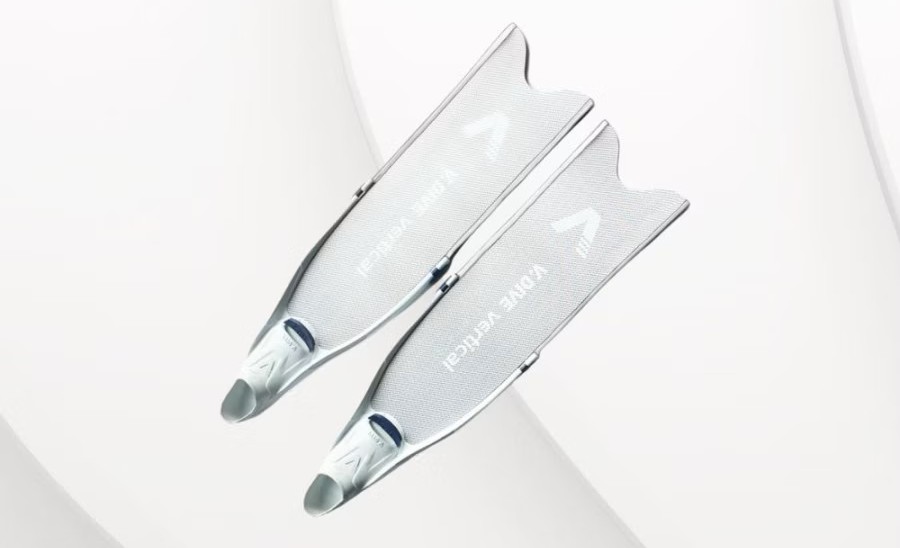
Long fins are another cornerstone of freediving equipment in Malaysia. Compared to the shorter, stiffer scuba fins, freediving fins provide efficient propulsion with less effort—perfect for conserving energy during longer descents. Fibreglass or polymer fins are popular choices, as they balance flexibility and durability while remaining light enough for travel between Malaysia’s many islands.
For protection against stings and thermal changes, a wetsuit suited for tropical waters is highly recommended. Thin 1.5mm to 3mm neoprene suits are ideal for Malaysian temperatures, protecting you from sunburn and jellyfish without causing overheating. Such suits are easy to rinse and dry quickly in humid conditions, addressing the storage constraints that many face in local apartments or HDB flats.
Lastly, don’t overlook a simple weight belt tailored to your body type and a surface marker buoy for signalling your presence to boaters. These accessories are vital for safety and comply with regional diving norms. Most major Malaysian dive shops offer reliable brands and can guide you on the most suitable weight systems. Choosing the right freediving equipment Malaysia has to offer ensures a safer, more enjoyable underwater experience no matter your skill level.
Freediving Gear vs Scuba Gear: What Sets Them Apart?
When comparing freediving equipment Malaysia options to traditional scuba gear, the differences go beyond just the style of diving. Freediving gear is purpose-built for breath-hold dives, focusing on creating an efficient, streamlined experience with minimal bulk. In contrast, scuba equipment is designed to support longer, deeper underwater exploration with self-contained breathing apparatuses.
Freediving masks are typically low-volume, allowing divers to equalise more easily and reduce drag. These masks fit closer to the face, aiding visibility and making them easier to clear. In comparison, scuba masks may have greater internal volume since divers aren’t as constrained by breath-hold limits. Freediving fins are generally longer and more flexible, offering excellent propulsion with fewer kicks. This suits the smooth, energy-conserving movements essential in freediving, particularly in the clear Malaysian waters where streamlined movement also minimises marine disturbance.
Another notable distinction is in exposure protection. Freediving wetsuits prioritise flexibility and warmth with thinner, open-cell neoprene for Malaysian tropical conditions, while scuba suits may favour thicker material to protect against extended bottom times. Freediving equipment often omits weights or tanks entirely, further allowing for superior agility and ease of travel, which is especially helpful for shore entries along Malaysia’s diverse coastline and islands.
Safety also deserves attention. Freedivers rely on streamlined safety gear like snorkels and weight belts designed to be easily ditched if needed. On the other hand, scuba sets include buoyancy control devices and emergency air supplies as key safety features. This difference directly affects how both activities are practised and enjoyed in Malaysia, where entry points, reef access, and conditions vary considerably.
Choosing the right freediving equipment Malaysia ensures not just better performance, but also a more enjoyable and safer experience tailored for Malaysian waters. Investing in dedicated freediving gear is a smart move for anyone looking to maximise both fun and safety in Malaysia’s vibrant underwater scenes.
Local Buying Advice: Sizing, Suitability & Safety for Malaysians
When purchasing freediving equipment in Malaysia, picking the right gear for local conditions is essential for both safety and comfort. In Malaysia’s warm, tropical waters, wetsuit thickness is often a top concern. Most freedivers find a 1.5mm to 3mm wetsuit sufficient for thermal protection without overheating—any thicker and you may feel uncomfortable during prolonged sessions. Choose wetsuits designed for flexibility and streamlined movement, as this will help you conserve energy and move efficiently underwater.
Proper sizing is another key aspect. Insist on trying on your freediving wetsuit before purchasing, especially as fitting varies from brand to brand. A snug fit is vital to prevent water from flushing through the suit, but it should never restrict your breathing or movement. For beginners, freediving fins and masks should sit comfortably and create a good seal. Many local dive shops in Malaysia now stock dedicated freediving gear, making sizing advice and exchanges more convenient than ever before.
Local availability and after-sales support are worth considering too. Purchasing from a Malaysian retailer ensures better warranty coverage and access to servicing—especially important for items like low-volume masks and snorkels that may require replacement parts or seals. Ask the seller about spare parts and repair services to avoid downtime if your gear needs maintenance ahead of your next island trip.
For those new to freediving, always prioritise safety. Malaysia’s popular dive spots—such as Tioman or Perhentian Islands—offer ideal conditions for learning, but beginners should never dive alone and should consider taking an accredited freediving course first. Stick to reputable brands and check for safety features like smooth seams to avoid chafing or hooded suits for sun protection during boat transfers. With the right freediving equipment Malaysia offers, plus good local support, your underwater adventures can be both safer and more enjoyable.
Frequently Asked Questions
Is there a difference between freediving and snorkeling gear?
Yes, there is a difference. Freediving equipment in Malaysia is designed for deeper dives and longer breath-hold, featuring longer fins, low-volume masks, and streamlined wetsuits. Snorkeling gear is typically more basic, suited for surface swimming rather than underwater depth.
Do I need certification to freedive in Malaysia?
While certification is not strictly required to start recreational freediving in Malaysia, attending a recognised freediving course is highly recommended. Certification ensures you learn proper safety and breathing techniques, which are important whether you’re exploring local islands or deeper open water sites.
Is freediving gear LTA- or government-regulated?
There are currently no local government or LTA (Land Transport Authority) regulations on owning or using freediving equipment Malaysia. However, always check with marine park authorities if you plan to freedive in protected waters, as site-specific rules may apply.
How should I care for freediving equipment in tropical weather?
Tropical humidity and saltwater can quickly degrade your gear. Rinse all freediving equipment thoroughly with fresh water after each use in Malaysia and dry in the shade, away from direct sunlight. Store equipment in a cool, ventilated area—this is especially important for HDB residents with limited storage space.
Where can you try or rent freediving gear locally?
You can find rental freediving equipment at various dive shops and coastal resorts in Malaysia. Singaporeans planning a trip should book in advance during peak seasons. Some training centres also offer trial sessions and gear rentals for those new to freediving.
Should You Buy Freediving Equipment in Malaysia? Our Verdict for 2026
If you are considering exploring the underwater world in Malaysia, understanding whether to choose freediving equipment or scuba gear is crucial. Freediving equipment Malaysia caters to those who value simplicity, minimal weight, and unrestricted movement underwater. Freedivers typically require just a mask, snorkel, fins, and a suitable wetsuit, making their gear lightweight and easy to travel with—ideal if you are diving off islands or from the shore around Malaysia’s coasts.
Meanwhile, scuba equipment involves more complex setups, including tanks, regulators, and buoyancy devices. This gear is designed for longer, deeper dives, but it means extra maintenance and logistics. If you prefer the freedom of relying only on your breath and moving gracefully through coral reefs or exploring the clear waters of places like Tioman or Perhentian, freediving equipment may be the better fit for you.
Who should choose freediving equipment? Enthusiasts looking for a low-maintenance, travel-friendly experience, or those interested in breath-hold diving for photography, spearfishing, or personal challenge, will find freediving gear most practical. Scuba equipment is best suited for those intending to stay submerged for extended periods or who need more technical support for exploring deeper or more challenging dive sites.
For buyers in Malaysia, the next step is to assess your goals and comfort level. Visit a reputable local dive shop to consult with experts and physically test different masks and fins for fit. Many shops offer trial sessions—an excellent opportunity to decide if freediving suits your style before committing to purchasing your own freediving equipment Malaysia. Ready to take the plunge? Start by contacting your nearest dive shop and scheduling a test dive—you’ll soon discover which path under the sea is right for you!
Conclusion
In summary, choosing the right freediving equipment in Malaysia relies on recognising how it differs from traditional scuba gear—lighter, streamlined, and tailored to breath-hold diving. Understanding these differences helps you invest in suitable fins, masks, wetsuits, and safety gear for your underwater adventures. If you’re ready to explore freediving or need advice on equipment, visit EkoLife Asia’s store for expert assistance and to see a curated selection perfectly matched to local conditions. Don’t forget to check if you can use your CDC vouchers on your next purchase. Experience the difference the right freediving equipment can make to your next Malaysia dive trip—let EkoLife Asia help you get started with confidence and peace of mind.

Very good breakdown of freediving vs scuba gear! I always wondered why my bags are much lighter now with freediving stuff. This guide makes it much clearer, thanks!
This article really nails the key differences between freediving and scuba gear, especially for those of us diving in Malaysia! Freediving equipment is so much lighter and easier to pack, which makes island trips so much more convenient—no more dragging around bulky tanks or complicated setups. I love that the blog points out how the right gear, like low-volume masks and long fins, actually makes a big difference to both safety and comfort in Malaysian waters.
I also appreciate the focus on local conditions and eco-friendly trends coming up, because choosing gear suited for our climate and ocean ethics is important these days. For anyone starting out, advice on avoiding overheating and getting the right fit locally is super practical. It really gives divers the confidence to enjoy Malaysia’s beautiful reefs without fuss. Good job breaking it down, so even beginners won’t feel lost about what to get!
Interesting points, Hafiz, but don’t you think saying freediving gear is always better for local spots might be a stretch? Some Malaysian sites are deep and have currents, where scuba is still safer and more practical for exploring longer. Isn’t the lightness of freediving equipment sometimes a trade-off for missing out on the full underwater experience?
True, Geraldine, deeper and longer dives definitely call for scuba. But for lots of local trips—quick coral visits, shore entries, or even island hopping—the convenience of freediving gear can’t be beat. It’s about matching the gear to your dive plan and comfort level, not a one-size-fits-all thing.
Yeah that makes sense, but I still think a lot of newbies underestimate the risks of going too deep with only freediving gear. Malaysian waters look tame but can change quick—being safe is more important than just packing light.
Agreed, there are advantages to both. Maybe the best takeaway is to get advice at the shop or join a dive course first before buying anything expensive.
I also wonder if the eco-friendly gear trend mentioned actually makes a difference yet. Most shops still push plastic fins and budget stuff, so I don’t see that many sustainable options around KL or Penang.
It’s slowly getting better, especially with some shops in Sabah and JB. Still, I agree it’s not mainstream yet—hoping more divers start asking for sustainable gear to speed things up.
I think the awareness is there but you’re right, majority still pick based on price over eco-features. Maybe as more divers get educated, the demand will go up?
Let’s keep this thread focused on comparing freediving and scuba equipment, as requested by the original post. Please share tips or questions about choosing the right gear for Malaysian conditions, and avoid getting sidetracked into unrelated debates.
Is it really necessary to buy a special freediving wetsuit, or can I just use my normal surfing suit when diving in Malaysia?
Great question, Suresh! While a surfing wetsuit can work for short snorkeling sessions, freediving wetsuits are designed to be more flexible and have a snugger fit, reducing drag and allowing easier movement underwater. For Malaysian waters, a freediving-specific suit helps with both comfort and safety, especially if you plan longer or deeper dives.
I appreciate the local advice, especially about wetsuit thickness for Malaysian waters. Sometimes it’s so hard to pick the right one with so many brands around, so this info really helps!