HomeShopDiving Equipment › Diving Fins

Diving Fins

Thrust, blade stiffness and foot pocket comfort matter more than colour — which is why choosing the right fin deserves more than a quick scroll. Open-heel fins pair with dive boots for reef and wreck diving, while full-foot fins suit warm-water snorkelling and casual recreational dives.
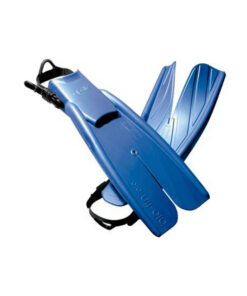
Scubapro Fluida 2 Fins
Tusa Solla Open Heel Fins
Scubapro Go Travel Fins

✓  Free Shipping Over RM150|✓  Manufacturing Defect Exchange Guaranteed|✓  Expert Dive Advice Before & After Purchase|✓  100% Authentic Equipment Every Item

Filter By

Price Range


RM 8 RM 3,360

Filter By

Sub Categories


Filter By

Brands


Showing 1–20 of 214 products
Sort:

RM375.00
RM12.00
RM260.00

Diving Equipment

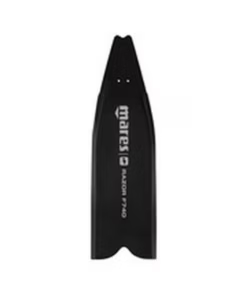
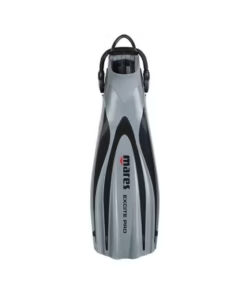
Mares Razor Pro Fins

RM537.00

Diving Equipment

Tusa Liberator X Ten Fins

RM160.00

Diving Equipment

Aropec Dash Full Foot Fins

RM230.00
RM104.00

Diving Equipment

Mares Avanti Tre Fins

RM72.00

Diving Equipment

Seac F-100 Pro Fins

RM307.00

Diving Equipment

Problue AC-29 Fin Grippers

RM28.00
RM99.00

Diving Equipment

Atomic Fins Strap Only

RM16.00

Diving Equipment

Mares Razor Carbon Fins

RM2,138.00

Diving Equipment

Mares Fluida Jr Fins

RM36.00
RM298.00
RM339.00

Buyer's Guide

Choose the Right Fins for Your Dive Style

Fin selection comes down to blade stiffness, foot pocket fit, and where you dive. Soft blades for long reef dives, stiff paddles for drift dives, split fins for low-air conservation — we carry them all.

Get Fin Buying Advice

Blade Types

Split Fins vs Paddle Fins: Which Should You Choose?

Paddle fins generate more thrust per kick — better for currents at Sipadan and Layang Layang. Split fins reduce leg fatigue for long recreational dives on Malaysian reefs at the cost of raw power.

Stiffness

How Fin Blade Stiffness Affects Your Air Consumption

Softer blades require less leg effort and reduce oxygen consumption on long dives. Stiffer blades deliver higher thrust per kick for fighting currents — match stiffness to where you actually dive.

Fit

Why Foot Pocket Fit Matters More Than Brand

A fin that slips at the heel or pinches across the forefoot causes cramp before the thermocline. Always try open-heel fins with your actual dive bootie before committing to a purchase.

Malaysia

Best Fin Types for Malaysian Dive Conditions

Sipadan drift dives suit stiff paddle fins with spring straps. Perhentian reef dives suit softer split fins for relaxed finning. Freediving at Redang or Tioman calls for long-blade bi-fins.

You Might Also Like

Recommended Products

Hand-picked products based on all categories

RM12.00
RM126.00
Out of stock
RM99.00
RM233.00

FAQ

Frequently Asked Questions

Everything you need to know before making a purchase

How do I choose between open heel and full foot fins for Malaysian diving conditions?
Open heel fins worn with neoprene booties are the more versatile choice for Malaysian diving - they accommodate different bootie thicknesses, don and doff quickly on liveaboard decks, and suit rocky shore entries where foot protection is needed. Full foot fins are a reasonable option for warm-water resort pool sessions and calm boat diving where barefoot comfort is the priority and no shore walking is required. The adjustable fit of open heel fins also makes them practical for shared use within a travelling group of varying foot sizes.
What fin blade characteristics suit Malaysian drift diving conditions?
Malaysian drift sites like Sipadan's Barracuda Point and the channels at Layang-Layang require a fin that generates reliable directional thrust without exhausting leg muscles over hour-long passive drifts. A medium-stiffness solid or vented blade provides the best balance between thrust efficiency and stamina for these conditions. Very stiff blades generate powerful single kicks but require too much sustained effort for extended drifts, while very soft blades lack the response needed to reposition quickly when current direction shifts unexpectedly.
What fin accessories extend the working life of fins used regularly in Malaysian saltwater?
Spring strap conversion kits replace degrading rubber straps - which typically last one to two seasons in Malaysian saltwater - with corrosion-resistant stainless steel mechanisms that last significantly longer. Blade tip guards protect thermoplastic blades from the chipping that occurs when hard buckles and regulators contact blade surfaces inside airline bags. Neoprene fin socks worn inside full foot fins or over bare feet in open heel fin foot pockets prevent the friction blisters that make consecutive dive days uncomfortable.
How do I pack fins efficiently for budget airline travel to Malaysian dive sites?
Stand fins vertically on either side of the bag interior with blade tips pointing downward and foot pockets at the top, then fill the centre with softer items like wetsuits or rashguards. This orientation prevents blade tips from bearing the compressive weight of a fully loaded dive bag, which permanently distorts thermoplastic blades in travel-grade fin designs. Blade tip covers during airline packing add minimal setup time and prevent the edge damage that can make a fin unsafe or uncomfortable to use.
How does fin sizing affect propulsion efficiency in Malaysian current conditions?
A fin that is too stiff for a diver's body weight and leg strength produces inefficient kick cycles where energy goes into bending the blade but the full thrust return on the recovery stroke is never achieved. A correctly matched fin produces a balanced kick where the blade snaps back with stored energy, contributing to forward propulsion without additional muscular effort. Malaysian dive instructors consistently recommend that lighter or smaller divers choose a narrower or softer blade rather than a longer or stiffer fin designed for heavier build.
How do I care for diving fins after repeated Malaysian saltwater and UV exposure?
Rinse fins thoroughly in fresh water after every dive and dry them completely in shade - leaving rubber or thermoplastic fins in direct Malaysian sun accelerates the ozone cracking that causes blade delamination from the foot pocket over time. Store fins flat or hanging vertically rather than stacked under other dive gear, which creates blade distortion in softer thermoplastic compounds. Inspect the blade-to-foot-pocket junction for any delamination beginning at the edges every few months, as this is the failure point most commonly seen in well-used Malaysian dive fins.
How do I choose between open heel and full foot fins for Malaysian diving conditions?
Open heel fins worn with neoprene booties are the more versatile choice for Malaysian diving u2014 they accommodate different bootie thicknesses, don and doff quickly on liveaboard decks, and suit rocky shore entries where foot protection is needed. Full foot fins are a reasonable option for warm-water resort pool sessions and calm boat diving where barefoot comfort is the priority and no shore walking is required. The adjustable fit of open heel fins also makes them practical for shared use within a travelling group of varying foot sizes.
What fin blade characteristics suit Malaysian drift diving conditions?
Malaysian drift sites like Sipadan's Barracuda Point and the channels at Layang-Layang require a fin that generates reliable directional thrust without exhausting leg muscles over hour-long passive drifts. A medium-stiffness solid or vented blade provides the best balance between thrust efficiency and stamina for these conditions. Very stiff blades generate powerful single kicks but require too much sustained effort for extended drifts, while very soft blades lack the response needed to reposition quickly when current direction shifts unexpectedly.
What fin accessories extend the working life of fins used regularly in Malaysian saltwater?
Spring strap conversion kits replace degrading rubber straps u2014 which typically last one to two seasons in Malaysian saltwater u2014 with corrosion-resistant stainless steel mechanisms that last significantly longer. Blade tip guards protect thermoplastic blades from the chipping that occurs when hard buckles and regulators contact blade surfaces inside airline bags. Neoprene fin socks worn inside full foot fins or over bare feet in open heel fin foot pockets prevent the friction blisters that make consecutive dive days uncomfortable.
How do I pack fins efficiently for budget airline travel to Malaysian dive sites?
Stand fins vertically on either side of the bag interior with blade tips pointing downward and foot pockets at the top, then fill the centre with softer items like wetsuits or rashguards. This orientation prevents blade tips from bearing the compressive weight of a fully loaded dive bag, which permanently distorts thermoplastic blades in travel-grade fin designs. Blade tip covers during airline packing add minimal setup time and prevent the edge damage that can make a fin unsafe or uncomfortable to use.
How does fin sizing affect propulsion efficiency in Malaysian current conditions?
A fin that is too stiff for a diver's body weight and leg strength produces inefficient kick cycles where energy goes into bending the blade but the full thrust return on the recovery stroke is never achieved. A correctly matched fin produces a balanced kick where the blade snaps back with stored energy, contributing to forward propulsion without additional muscular effort. Malaysian dive instructors consistently recommend that lighter or smaller divers choose a narrower or softer blade rather than a longer or stiffer fin designed for heavier build.
How do I care for diving fins after repeated Malaysian saltwater and UV exposure?
Rinse fins thoroughly in fresh water after every dive and dry them completely in shade u2014 leaving rubber or thermoplastic fins in direct Malaysian sun accelerates the ozone cracking that causes blade delamination from the foot pocket over time. Store fins flat or hanging vertically rather than stacked under other dive gear, which creates blade distortion in softer thermoplastic compounds. Inspect the blade-to-foot-pocket junction for any delamination beginning at the edges every few months, as this is the failure point most commonly seen in well-used Malaysian dive fins.