
Diving Equipment, Diving Fins, Diving Gear, Diving Mask, Diving spots, Wetsuits
Scuba Diving Equipment Malaysia: Must-Haves for Safe Local Dives 2026
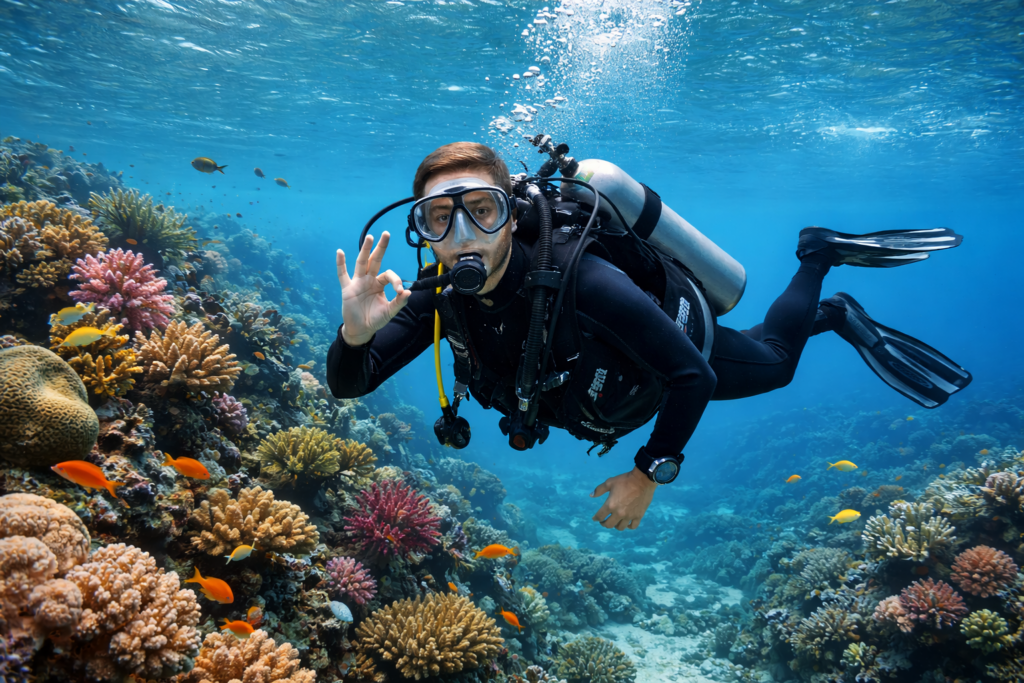
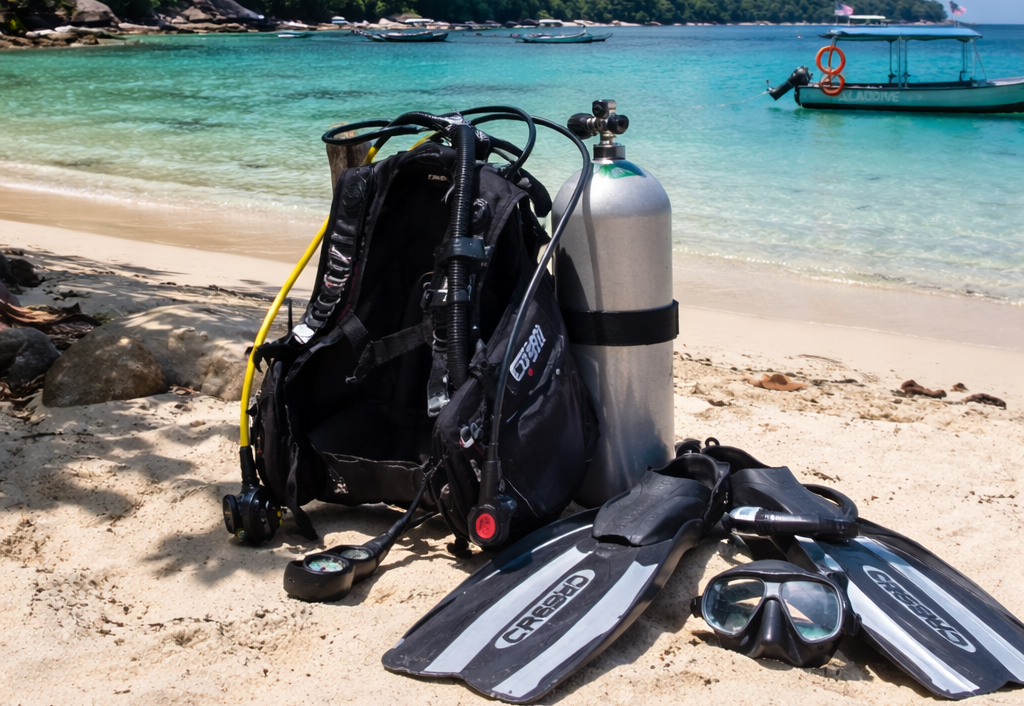
Ever been caught with fogged goggles or a leaking mask during your dive trip to Tioman? With scuba diving equipment Malaysia laws and safety checks updating regularly, even seasoned divers can feel lost about what gear is non-negotiable. For anyone diving in Malaysia’s beautiful reefs or exploring new spots in 2026, showing up with the right equipment is a must.
This guide is your shortcut to picking essential dive gear for ultimate safety and comfort, whether you’re a first-timer or certifying for the tenth time. We’ll walk through the most important items you need, explain why each one matters, and highlight smart tips for local conditions. Whether you buy or rent, you’ll know exactly what protects you and keeps your dive enjoyable. Let’s dive straight into the must-haves every Malaysia-bound diver should pack.
Dive into Safety: Your Essential Guide to Scuba Diving Equipment in Malaysia
When exploring the beautiful underwater world of Malaysia, choosing the right scuba diving equipment is crucial for both safety and enjoyment. The country’s warm, tropical waters and diverse marine life make it a popular destination among divers, but local factors such as strong currents, varying visibility, and temperature changes mean that not every piece of gear works equally well here. For anyone embarking on dives in Malaysia—whether it’s popular spots like Sipadan or Tioman, or lesser-known local reefs—having the essential equipment tailored for these conditions is a must.
Scuba diving equipment Malaysia requirements begin with foundational gear. A properly fitted mask and snorkel are essential for clear vision and ease of breathing on the surface. Local conditions can make water clarity unpredictable, so investing in a high-quality, anti-fog mask is strongly recommended. Next, fins specifically sized for tropical waters allow for efficient movement, even against strong currents, reducing fatigue during longer dives.
A reliable wetsuit suited to Malaysian water temperatures (which can vary from 26°C to 30°C) provides not just thermal insulation but also protection against jellyfish stings and minor scrapes. Buoyancy control devices (BCDs), regulators, and gauges should always be maintained in excellent condition; in remote Malaysian dive sites, access to quick repairs may be limited. Many divers also carry a dive computer to track dive times and depth, which is especially useful when exploring Malaysia’s renowned deep walls and wrecks.
Bringing the right scuba diving equipment in Malaysia also means planning for safety. Always include a signaling device such as a whistle or surface marker buoy, as visibility for boats can drop quickly during sudden rain or when surfaced near mangroves. For peace of mind, ensure all gear meets recognised international safety standards, and regularly check and service your equipment—especially before your next dive adventure in Malaysia’s stunning but demanding waters. Choosing quality essentials not only boosts your confidence, but lets you focus on the magic beneath the surface.
Quick Specs: Must-Have Scuba Diving Gear for Malaysian Waters
| Equipment | Key Specs/Features | Why It Matters in Malaysia |
|---|---|---|
| Mask | Low-volume, wide-view, tempered glass, silicone skirt | Ensures clear vision in varied visibility at popular sites like Sipadan and Tioman; comfort for long dives in tropical waters. |
| Fins | Open-heel design, adjustable straps, medium-stiff blade | Easy to use with booties on sandy or rocky entries; optimal propulsion for currents found in local dive spots. |
| Regulator | Environmentally sealed, balanced, easy-breath technology | Reliable breathing performance in warm, sometimes silty Malaysian waters; less maintenance in humid climate. |
| BCD (Buoyancy Control Device) | Lightweight, integrated weights, quick-dry material | Comfort for extended dives; dries fast for travel to islands like Perhentian; easy buoyancy control for beginners. |
| Wetsuit | 3mm full suit, stretch neoprene, UV protection | Suitably warm for 27–30°C Malaysian waters; protection from sun and jellyfish common in local seas. |
| Dive Computer | Nitrox-ready, large display, multi-dive memory | Tracks safety stops and multiple dives typical of Malaysian liveaboard trips; easier reading in murky or deep water. |
| Safety Marker (SMB) | Bright color, oral inflator, durable material | Essential for surface visibility during boat pickups in busy local dive sites such as Redang. |
Choosing the right scuba diving equipment Malaysia divers trust is crucial for comfort, safety, and enjoyment. Equipment tailored to local water conditions ensures you are prepared for any adventure — whether exploring wrecks or coral gardens. The right specs also help prolong gear lifespan despite heat and humidity, giving you confidence on each dive!
Top Gear Picks vs. Regional Alternatives: How Malaysian Equipment Compares
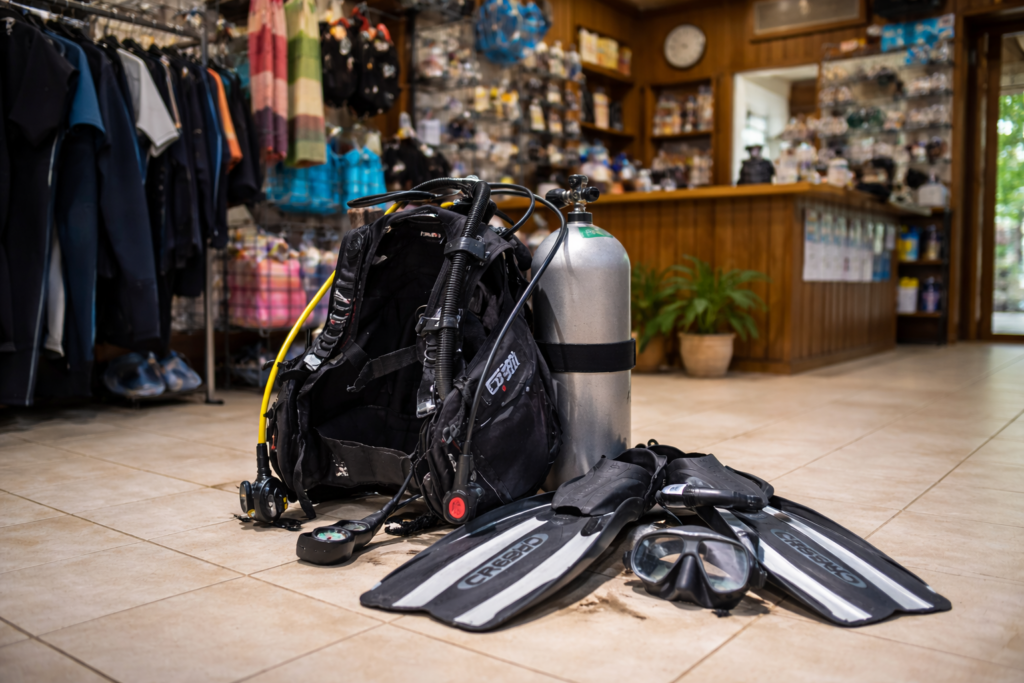
When it comes to scuba diving equipment Malaysia, local divers have access to gear that is carefully selected for tropical waters, offering advantages in both durability and comfort compared to some regional alternatives. Malaysian divers frequently rely on well-ventilated wetsuits and corrosion-resistant regulators. These features are crucial for thriving in warm, humid environments where saltwater and heat can quickly wear out inferior gear.
| Aspect | Malaysian Gear | Regional Alternatives |
|---|---|---|
| Price Range | Moderate, with options for budget and pro divers | Varies (can be lower in Thailand, but with less warranty support) |
| Durability | High, designed for tropical waters | Some regional brands less salt- and heat-resistant |
| Availability | Wide in Kuala Lumpur & coastal towns | Occasional supply issues in remote areas |
| Suitability for Tropical Waters | Prioritises lightweight, quick-dry materials | Thicker/colder-water models can overheat |
| Updates vs. Previous-Gen Models | Latest models often stocked, improved safety features | Previous-gen models still common in some areas |
Divers in Malaysia appreciate that most local shops stock the latest models for improved safety and ease of maintenance, unlike in some neighbouring countries where older models are more prevalent due to price sensitivity or logistical constraints. The commitment to quality reflects a growing diving culture in Malaysia, where reliability and suitability for local conditions matter as much as cost.
Ultimately, choosing scuba diving equipment Malaysia offers the confidence that your gear is up for the challenge of diverse dive sites, allowing you to focus on exploring rather than worrying about your safety or comfort underwater. This makes investing in trusted, Malaysia-friendly brands an easy decision for those planning regular dives along the country’s beautiful coasts.
Gear Up for Malaysian Conditions: What Divers Must Know
When preparing for your next underwater adventure, selecting the right scuba diving equipment Malaysia is crucial for both safety and comfort. Malaysian waters are well known for their dynamic currents, varied underwater terrain, and humid tropical climate. Divers should prioritise gear designed to handle swift changes in current, such as reliable, well-fitting fins and buoyancy control devices that maximise control and stability.
Because Malaysia’s coastlines are dotted with beautiful coral reefs, it’s wise to choose coral-safe equipment and accessories. Look for wetsuits and gloves that avoid damaging coarse textures, and always opt for eco-friendly materials. Humidity and heat can fog up your mask quickly, so masks with advanced anti-fog and anti-leak technology are recommended to keep your vision clear—an absolute must for safe navigation and enjoying vibrant marine life.
For island hopping or trips to remote dive sites, the convenience of lightweight, compact equipment cannot be overstated. Consider travel-friendly BCDs and foldable fins, which are easier to store in HDB flats or transport via ferries along popular Malaysian island routes. This makes pre- and post-dive logistics much smoother, especially if you’re combining diving with other local activities.
Saltwater in Malaysian seas can accelerate corrosion, so it’s important to invest in gear made from materials specifically rated for marine use. Pay special attention to the construction of regulators, clips, and zippers, choosing brands that advertise saltwater resistance or corrosion-proof properties. Maintenance is much easier when gear holds up to frequent exposure, reducing local service costs over time.
Lastly, safety cannot be compromised. In both busy and secluded Malaysian dive spots, a robust safety signaling device—such as a surface marker buoy or a whistle—should be included in every diver’s kit. Effective signaling can mean the difference between a seamless experience and a stressful situation, especially if currents separate you from your group or boat. Choosing the right scuba diving equipment Malaysia ensures greater peace of mind and more memorable dives throughout the region.
Buying in Malaysia: Where to Shop and What to Check
When shopping for scuba diving equipment Malaysia offers a variety of reliable dive shops in coastal cities like Kota Kinabalu, Kuala Terengganu, and the islands such as Tioman and Perhentian. These coastal hubs often have stores affiliated with established dive centres, giving you confidence that their inventory complies with recognised safety standards. Look for reputable names known locally for their commitment to equipment maintenance and certified retail practices, especially when investing in essential gear such as regulators, masks, and buoyancy control devices (BCDs).
For those considering rentals, always verify that the equipment has current service stickers and check for visible signs of wear or damage. Many shops provide orientation or trial fits—take advantage of these to ensure comfort and adjustability, as well-fitted gear is critical for safety during Malaysia’s diverse dives. While renting may suit short-term or beginner divers, frequent or serious divers will find value in purchasing their own kit from trusted local retailers who offer after-sales support and periodic servicing options.
Buyers should stay alert to imitation or non-certified gear, which can sometimes be encountered at unofficial markets or unauthorised online platforms. Scuba diving gear is your life-support system underwater, so always demand proof of certification or local approval and a valid warranty card. This assures access to local support and servicing, an important factor especially if an issue arises after purchase.
If you plan to buy imported brands, consider Malaysian import duties and taxes that may increase the final price. However, local shops often carry top international names and can offer competitive bundles, making it easier to receive warranty support without the hassle of international returns. By shopping locally, you not only receive expert advice on what suits Malaysian dive conditions but also enjoy peace of mind knowing your gear meets regional safety standards—helping you focus on making the most of your dives.
Frequently Asked Questions
Are there any legal requirements for scuba diving equipment in Malaysia?
Malaysia does not have specific “LTA”-style regulations for personal dive gear, but divers should always use equipment that meets internationally accepted safety standards. Dive operators may require certification and expect you to use standard essential gear such as masks, fins, regulators, and buoyancy compensators for all dives.
What wetsuit thickness is recommended for diving in Tioman or Sabah?
For comfort and protection, a 3mm wetsuit is generally recommended for diving in Tioman and Sabah, as water temperatures usually range from 27–30°C. Thicker wetsuits are unnecessary for most recreational dives, but you may opt for a 5mm suit if you get cold easily or are doing multiple dives daily.
Where can I service my scuba diving equipment in Malaysia?
You can service your scuba diving equipment in Malaysia at certified dive shops in popular areas such as Kuala Lumpur, Penang, Sabah, and Perhentian. Always check that the shop is authorised for your specific brand to ensure warranty validity and proper parts replacement.
Are there any travel restrictions for flying with diving gear to or from Malaysia?
You can travel with most scuba gear, but note that items like dive knives should go in checked luggage, not carry-on. Ensure tanks are emptied and battery-powered items (like dive torches) comply with airline and TSA regulations for smooth transit in and out of Malaysia.
What should I look out for when buying second-hand scuba gear in Malaysia?
When buying second-hand, inspect the gear closely for wear, corrosion, and missing parts. Always ask for a recent service record or have the equipment checked by a certified technician before using it for your next dive in Malaysia’s beautiful waters.
Should You Invest in Scuba Diving Equipment for Malaysia? Our Verdict
Investing in scuba diving equipment Malaysia tailored for local conditions provides several clear advantages for both beginners and seasoned divers. The warm, tropical waters and diverse marine environments of Malaysia mean that having the right wetsuit thickness, dependable dive masks, and locally-suited fins makes every underwater experience far more comfortable and secure. Choosing equipment optimised for Malaysian dive sites also ensures better fit and reliability, especially when facing unique currents or visibility challenges often present in popular areas such as Tioman or Sipadan.
Owning your own gear enhances both safety and hygiene, giving you peace of mind about equipment history and maintenance. Familiarity with your own mask, BCD, and regulator can translate to more confident reactions during dives, an important consideration when exploring Malaysia’s vibrant but sometimes unpredictable reefs and wrecks. Reliable gear also reduces rental hassles and lets you dive spontaneously, making the most of your time in the water.
For those considering long-term commitment to the hobby, purchasing personalised scuba diving equipment in Malaysia can be a wise investment. While the initial cost is higher than renting, the repeated use, better care, and perfect fit often save money and stress over time. Your choice in equipment can directly impact both the enjoyment and safety of every dive — two essential priorities for anyone exploring Malaysia’s stunning underwater world.
If you’re unsure which gear best meets your needs, it’s a smart move to visit local dive centres or arrange guided test dives. These experiences allow you to try different equipment in authentic Malaysian conditions before making a commitment. Prioritise your safety, comfort, and diving satisfaction — start exploring the most suitable scuba gear options and take the next step toward memorable, safe dives across Malaysia.
Conclusion
In summary, choosing the right scuba diving equipment in Malaysia is vital for ensuring both safety and comfort during your local dives. From reliable regulators to snug-fitting wetsuits, knowing what’s essential helps you dive with peace of mind and enjoy every underwater adventure to the fullest. EkoLife Asia stands ready to support your diving journey with quality gear and expert guidance, whether you’re upgrading your kit or starting out.
Remember, your scuba diving equipment should always match the conditions of your Malaysia dive sites for optimal performance. Visit EkoLife Asia today or consult our team to explore gear that suits your next local dive, and don’t forget to make use of your CDC vouchers for extra value. Dive safe and make each experience unforgettable with the right equipment.

This guide is a fantastic resource for anyone planning to dive in Malaysia! It’s refreshing to see so much attention given to local conditions, not just generic gear tips. The breakdown of what works best for Malaysian waters—like lightweight fins for strong currents and anti-fog masks—really shows the authors understand what divers here actually face.
Plus, the safety advice is spot-on. Regular maintenance, having a proper BCD and signaling device, and even buying locally for warranty support are things even experienced divers sometimes overlook. Choosing region-appropriate gear truly makes dives safer and more enjoyable, and this article does a great job explaining why.
It sounds good, but is all this really necessary for casual divers? A lot of people just rent gear for weekend trips and seem fine. Isn’t buying everything locally just a way for shops to push sales, especially with overlapping warranty claims?
I get your point, but for regular divers it’s about safety and fit. Rental gear can be hit-or-miss—in Malaysia, strong currents and variable conditions mean reliable, well-maintained equipment is extra important. The peace of mind alone is worth it for many.
But how much safer is your own gear compared to fresh rental stuff from a good shop? Sometimes the cost of owning and servicing kit here is just too high unless you dive very frequently.
Not everyone has budget or storage for a full set. I think knowing how to check rental gear for wear and fit should be highlighted more in such guides too.
It’s fair to say shops want to sell, but local warranty and access to certified servicing does matter if something breaks right before a dive. Handling issues overseas is just not realistic for most.
Agreed, local service is faster. Especially if you’re diving multiple times a year, having shops nearby for support is a huge plus.
Great summary but shouldn’t there be more focus on environmental impact and choosing eco-friendly gear? Most casual divers don’t even know about coral-safe gloves or less abrasive wetsuits, which could make a big difference here.
You’re right, and it could be a whole article by itself actually! Eco-friendly options are getting better and should definitely be mentioned more, especially for sensitive reef sites like Tioman.
Maybe local shops can do more too—offer more eco-gear or teach buyers why material matters. Otherwise, most people just buy whatever’s cheapest or most common on the shelf.
Some people see eco-gear as less durable or more expensive, so they hesitate. More reviews and education could help shift that perception, especially among new divers.
True, but with so many trips happening in sensitive areas, extra cost is worth it if it means reefs last longer for everyone.
Let’s keep the discussion focused on the specifics of scuba gear selection, safety, and practical tips for diving in Malaysia. Please avoid going off-topic. Feel free to share your personal experiences or advice, especially if it helps new divers understand how to choose and maintain the right equipment!
Really appreciate how detailed this guide is! I always overlook small things like making sure zippers are corrosion-proof until it’s too late. Good reminder to check my gear before my next Tioman trip.
Is it better to buy all your scuba gear here in Malaysia, or should I get some things from overseas shops when I travel?
Buying your scuba gear in Malaysia is recommended since local shops stock brands and models suited for our conditions and offer proper warranty and after-sales support. Overseas gear may not always match tropical needs or come with local service, so for convenience and safety, it’s best to buy essentials locally.
I agree that owning your own mask and BCD makes a big difference, especially if you dive often here. Renting sometimes can be a headache when gear doesn’t fit right.