
Wetsuits, Diving Equipment
Best Wetsuit for Malaysia: How to Choose the Ideal Type and Thickness for Tropical Diving in 2026
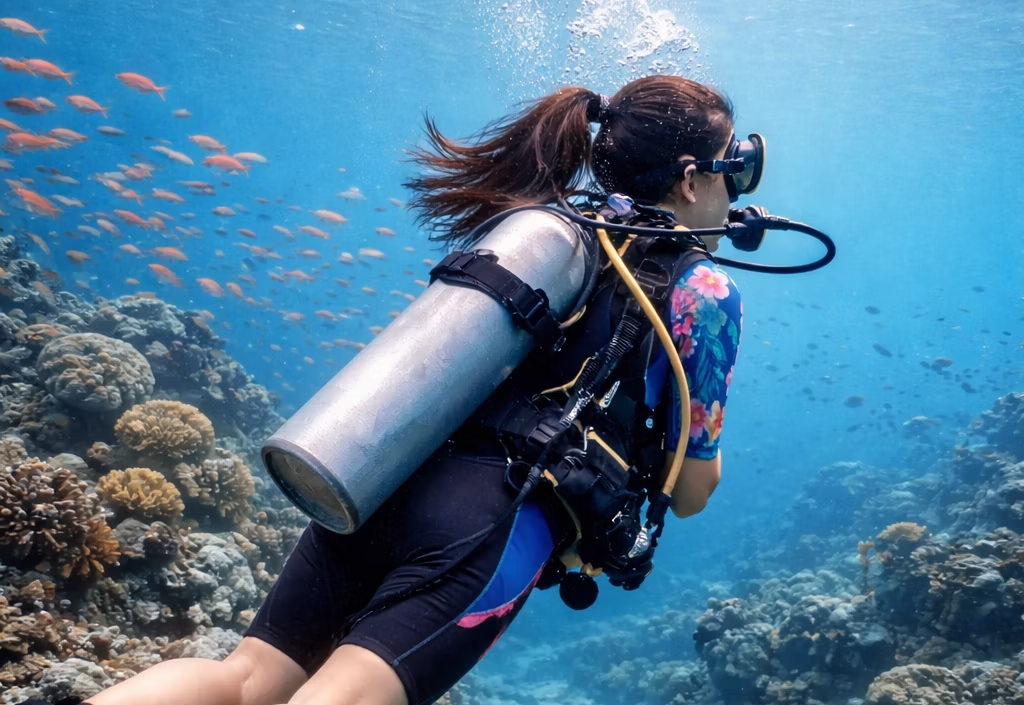
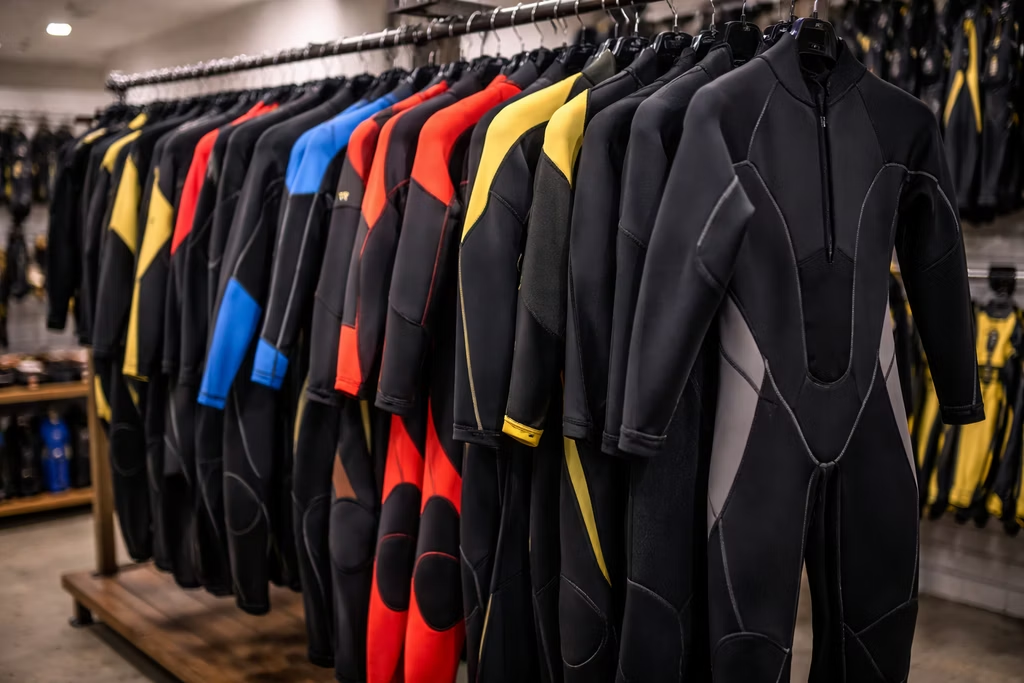
Diving in the warm, turquoise waters of Malaysia offers an unforgettable experience, but choosing the right wetsuit for Malaysia is essential for both comfort and safety. Unlike colder regions, Malaysian waters are balmy year-round, so the requirements for scuba gear—especially wetsuits—are quite unique. With so many options available, from shorties to full suits and varying thicknesses, it can be overwhelming to know which wetsuit best suits the tropical environment while still providing adequate protection against jellyfish stings, coral scrapes, or unpredictable thermoclines.
In this guide, we’ll walk you through everything you need to know to pick the ideal wetsuit for diving in Malaysia. We’ll break down the different wetsuit types, explore what thickness works best in tropical waters, and share tips on fit, material, and added features—ensuring your dives are comfortable and safe, no matter which part of Malaysia you explore. Whether you’re a seasoned diver or planning your first dive trip to this vibrant destination, our expert advice will help you make an informed choice and get the most out of your underwater adventures.
Understanding Malaysia’s Diving Climate and Conditions
Malaysia boasts a quintessential tropical diving climate, making it a paradise for divers seeking warm, vibrant underwater experiences. With average sea temperatures ranging between 27°C to 30°C (80°F to 86°F) throughout the year, the waters surrounding popular diving spots like Sipadan, Tioman, and Redang are consistently warm. The country experiences two major monsoon seasons: the Southwest Monsoon from May to September and the Northeast Monsoon from November to March, which influences diving conditions mainly through surface currents and occasional reduced visibility, but water temperatures remain relatively stable.
This tropical environment supports a rich diversity of marine life and coral gardens, making it essential to choose wetsuit options that ensure both comfort and adequate protection rather than merely providing warmth. The consistently warm water temperatures in Malaysia mean that divers rarely require thick or heavily insulated wetsuits commonly used in colder climates. Instead, a thinner wetsuit, such as a 2mm or 3mm shorty, is often ideal for recreational dives, as it provides a balance between thermal comfort, buoyancy, and mobility.
Not only does the right wetsuit for Malaysia protect against minor stings, scrapes, and sun exposure on the surface, but it also prevents overheating that could occur in bulkier suits. Understanding the typical diving conditions in Malaysian waters helps divers make informed decisions about the type and thickness of wetsuit to wear, ensuring a safe and enjoyable underwater adventure tailored to the region’s unique tropical climate.
Why Wear a Wetsuit in Warm Waters?
Wearing a wetsuit in warm waters like those surrounding Malaysia might not seem necessary at first, but it offers several benefits beyond thermal comfort. While tropical seas are typically warm, even a slight drop in temperature during longer dives can lead to mild chill, especially after repeated exposure. A wetsuit for Malaysia, even in a thin material like 1.5mm or 3mm neoprene, provides just enough insulation to help maintain your body’s core temperature, making dives more comfortable and extending your time underwater. This minor thermal protection is particularly valuable during early morning dives or on days with overcast skies, when water temperatures can feel cooler than expected.
Beyond warmth, wetsuits also serve as an essential shield against hazards commonly found in Malaysia’s vibrant marine environments. Encounters with jellyfish, sharp coral, and even accidental brushes against rocks or wrecks can leave divers with stings, abrasions, or cuts. A wetsuit acts as a physical barrier, reducing your risk of injuries and skin irritation. Additionally, the suit provides protection from harmful UV rays during surface intervals, decreasing the likelihood of sunburn. This combination of safety and comfort makes choosing the right wetsuit for Malaysia a smart decision for any diver, ensuring enjoyable and worry-free tropical diving adventures.
Choosing the Right Wetsuit Thickness for Malaysian Diving
When diving in Malaysia’s warm, tropical waters, selecting the right wetsuit thickness is essential to ensure both comfort and safety. Malaysia’s sea temperatures typically range from 27°C to 30°C (80°F to 86°F) year-round, which means divers often don’t need the heavy insulation required elsewhere. For most recreational diving in Malaysia, a wetsuit thickness between 1mm and 3mm is ideal. A 1mm wetsuit or even a shorty offers ample protection for snorkeling and shallow dives while allowing maximum freedom of movement.
For those who tend to get cold easily or expect to encounter slightly cooler conditions—such as during deeper dives or extended time underwater—a 2mm or 3mm full suit provides extra warmth without becoming cumbersome. The thickness you choose directly affects your dive experience in several ways. Thinner wetsuits, such as the 1mm or 2mm options, are lightweight, easy to don, and provide excellent mobility, making them perfect for the active requirements of tropical dives.
However, going for a slightly thicker 3mm suit can offer better protection against chilly thermoclines, minor stings, or abrasions, all while maintaining relative comfort in Malaysia’s warm seas. Ultimately, your personal sensitivity to cold, planned dive depth, and session length should guide your wetsuit for Malaysia selection, ensuring you stay comfortable and focused on the underwater adventure.
Wetsuit Types Best Suited for Malaysian Waters
When it comes to selecting a wetsuit for Malaysia, divers are spoiled for choice thanks to the country’s consistently warm, tropical waters. The most popular options include full suits, shorties, springsuits, and surf suits, each offering unique advantages depending on your diving style and preferences. Full suits provide coverage from neck to ankle, delivering enhanced protection against stings, scrapes, and sunburn, making them an excellent choice for those exploring deeper or more rugged dive sites. However, their comprehensive coverage can sometimes cause overheating during extended surface intervals in the tropical heat.
Shorties and springsuits are ideal alternatives for the typical temperature range found in Malaysian waters, usually offering short sleeves and legs to balance thermal comfort with freedom of movement. These suits are easier to don and remove, with shorties being especially popular for recreational divers seeking flexibility and quick drying times between dives. Surf suits, which are generally thinner, cater to those prioritizing agility and minimal insulation while snorkeling or surfing close to shore. Choosing the right wetsuit type depends largely on your planned activities, sensitivity to cold, and the need for protection against environmental factors. Each design brings something different to the table, so consider how much warmth, coverage, and maneuverability you’ll need throughout your Malaysian diving adventures.
Additional Factors: Fit, Material, and Special Features
When selecting a wetsuit for Malaysia’s warm, tropical waters, fit and material quality should be at the forefront of your decision-making. A snug but comfortable fit prevents water from flushing in and out of the suit, which is essential for maintaining your body temperature and enjoying longer dives. Look for wetsuits constructed from high-quality neoprene, as inferior material can quickly lose flexibility and insulation properties in the heat and humidity often experienced in Malaysia. Premium neoprene is not only more supple, ensuring better movement underwater, but also dries faster and lasts longer — an advantage when you’re diving in such consistently warm environments.
Beyond material and fit, pay attention to the seams, zippers, and added features that enhance comfort and durability. Sealed or taped seams help block water entry, while robust zippers reduce wear and simplify donning and doffing – both essential for frequent divers in Malaysia. Special features like integrated UV protection safeguard your skin from the intense equatorial sun, and strategically placed anti-abrasion panels protect high-wear areas from coral or equipment. As you weigh these elements, prioritize those that offer long-term value: opt for a wetsuit for Malaysia that balances comfort, resilience, and protection, ensuring safe, enjoyable tropical diving adventures.
Pro Tips: Caring for Your Wetsuit in Tropical Environments
Proper care is essential to ensure your wetsuit for Malaysia remains comfortable, flexible, and protective across multiple dives in the country’s hot, humid conditions. After each use, always rinse your wetsuit thoroughly with fresh water to remove salt, sand, and tropical microorganisms that can degrade the neoprene and cause odors. Avoid using harsh detergents; opt for wetsuit-specific shampoos to gently clean away residues while preserving the material’s elasticity. If possible, rinse both inside and out and gently squeeze (never wring) out excess water to prevent stretching. When drying your wetsuit, steer clear of direct sunlight, which can cause neoprene to dry out and crack over time—something especially relevant in Malaysia’s intense UV climate.
Instead, hang your wetsuit on a wide hanger in a shaded, well-ventilated area, turning it inside out halfway through to ensure both sides dry evenly. Once completely dry, store your wetsuit flat or on a broad hanger in a cool, dry closet to avoid creases or permanent fold marks. Moisture and high heat can encourage mold and deterioration, so never leave your wetsuit in a hot car or packed gear bag for extended periods. Following these pro tips can extend your wetsuit’s lifespan and ensure top comfort and performance whenever you explore Malaysia’s world-class diving sites.
Dive Confidently: Making Your Best Wetsuit Choice for Malaysia
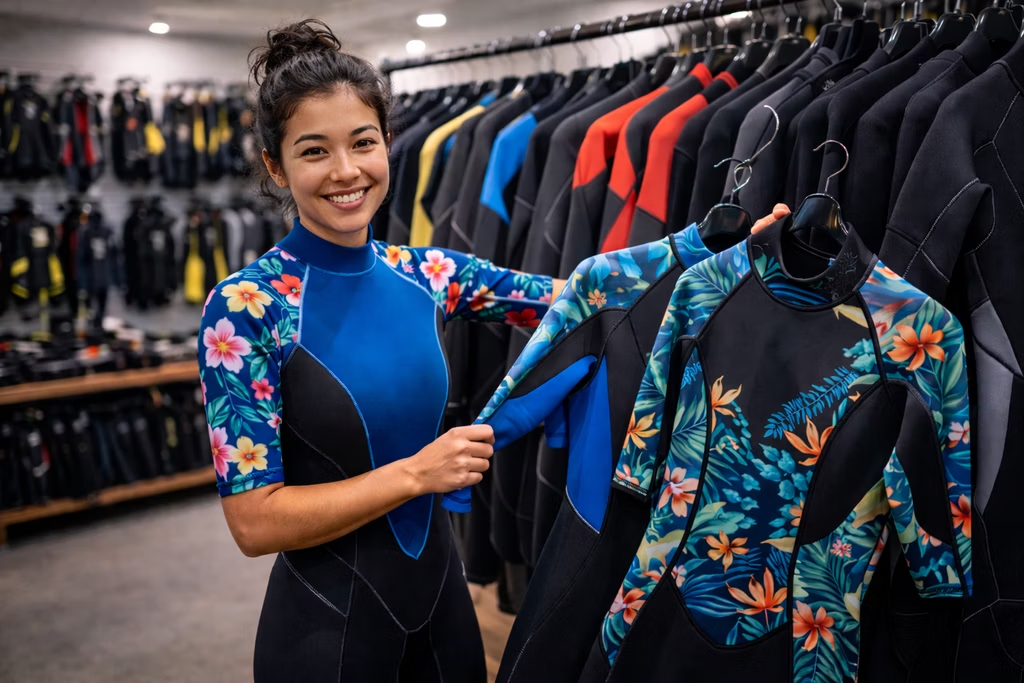
Choosing the right wetsuit for Malaysia’s tropical waters is about finding the perfect balance between comfort, flexibility, and thermal protection. By considering local water temperatures, the type of diving you plan to do, and your personal tendency to get cold, you can confidently select the ideal thickness and style—whether that’s a lightweight shorty, a full suit for added protection, or a specialized design for specific underwater activities. Remember, investing in the right wetsuit not only enhances your underwater experience but also ensures your safety and enjoyment during every dive.
As you prepare for your next adventure in Malaysia’s vibrant dive sites, factor in environmental concerns and the importance of maintaining your wetsuit properly for longevity. By taking care of your gear and choosing the best suit for your needs, you can fully immerse yourself in the wonders of Malaysia’s marine life while staying comfortable throughout your dives. With the right preparation and gear, every tropical dive can be a memorable and safe experience.

I always thought wetsuits were only needed for cold water diving, but after reading this, now I understand why they’re still important even in Malaysia’s warm sea. The tips about suit thickness and protection from stings are really helpful, thanks for breaking it down so clearly!
Never realised how much difference the right wetsuit thickness can make for comfort in tropical waters. Appreciate the advice on caring for the wetsuit too – I used to just leave mine in the sun, now I know that’s a bad idea!
This blog is super helpful for anyone planning to dive in Malaysia! I love how it explains not just the importance of wetsuit thickness, but also the different types available for our warm waters. The advice on fit, seams, and even how to care for your suit makes a big difference, especially for those new to diving here.
I totally agree that picking the right suit adds comfort and protection, not just warmth. I’ve dived both in Tioman and Redang, and a 2mm shorty really was perfect for me most of the time—kept me safe from jellyfish and coral but didn’t cause me to overheat. The local tips in this guide are spot on and will help a lot of people enjoy Malaysia’s amazing underwater world without worry.
Honestly, is all this detail really needed? Most casual divers just rent whatever is available anyway. How much difference does a 1mm vs 3mm suit really make when the water is already so warm?
I get where you’re coming from, but from experience, a thinner or thicker suit can really change how comfortable you feel after multiple dives. 3mm adds more buoyancy and sometimes feels bulky in our waters. It’s not life-changing for a one-time diver, but makes a big difference for those diving regularly or with sensitive skin.
Fair point if you’re doing many dives! I do prefer lighter gear, so I can see how that flexibility helps. Just curious, have you ever felt too hot even with a shorty?
Agreed, I used a thick suit once in Perhentian and it really felt stuffy. If you’re diving a lot, the little things add up.
I think for beginners maybe not, but for those with sensitive skin or doing deeper dives, the extra info can help avoid issues like stings or cuts.
Appreciate the thorough breakdown, but wouldn’t a rash guard or even board shorts work just as well for protection? Not everyone likes wearing neoprene in heat.
True, I know a lot of locals who just dive in rash guards. But if you’re prone to getting cold, or doing repetitive dives, a thin wetsuit still offers more consistent comfort and coverage.
I always bring both and decide on the spot. Some places have more jellyfish or sharp coral, so sometimes a suit is just safer.
If you’re snorkeling near shore maybe rash guard is enough, but for deeper or longer dives, I’d feel more secure in a wetsuit.
Rash guard is lighter, but wetsuit is extra layer if an emergency happens underwater. To me it’s a small hassle for bigger peace of mind.
Hi all, gentle reminder to stick to the topic of wetsuit choice for Malaysia’s tropical dives. If you have questions about other gear or snorkeling attire, please start a new thread. Let’s keep this helpful for people comparing suit options.
Is there a big difference between using a shorty wetsuit and a full suit for dives around Tioman or Redang? Not sure which one is better for beginners like me.
For beginners diving in places like Tioman or Redang, a shorty is usually comfortable since the water is warm—it’s easier to wear and gives enough protection for most reef dives. But if you want more coverage from scrapes or jellyfish, especially for longer or deeper dives, a full suit is a safer choice. It really depends on your own comfort and how much protection you prefer.